

Sesame Street is Returning! How to Watch
In the landscape of children’s television, few shows have left as profound an impact as Sesame Street. Since its debut on November 10, 1969, this groundbreaking program has revolutionized how young audiences learn, play, and grow—proving that television can be both fun and educational.
Now, the historic educational show is returning with new content!
Netflix announced today that they will be bringing a new season (along with previous seasons) of Sesame Street to their platform.
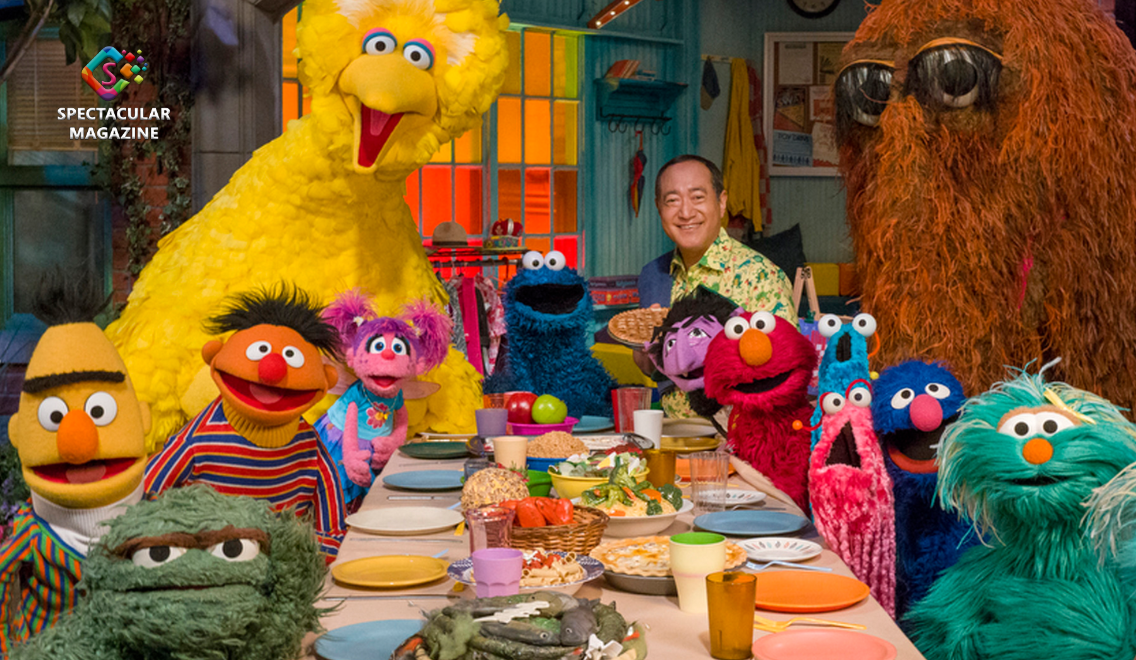
Sesame Street has been a beloved cornerstone of children’s educational television, enchanting young minds and nurturing a love of learning. Now the next chapter for Elmo, Cookie Monster, Abby Cadabby, and all their puppet and human friends is coming to Netflix later this year, with Sesame Street’s all-new, reimagined 56th season — plus 90 hours of previous episodes from previous seasons — available to audiences worldwide.
The new season will feature fresh format changes and the return of fan-favorite segments like Elmo’s World and Cookie Monster’s Foodie Truck. Expect new ways to play along as Cookie Monster opens his very own Cookie Cart on Sesame Street, and explore Abby’s Fairy Garden, a home to surprising and delightful magical creatures.
Created by Joan Ganz Cooney and Lloyd Morrisett and developed by the Children’s Television Workshop (now Sesame Workshop), Sesame Street was designed with a bold mission: to use the power of television to educate preschool children, particularly those from disadvantaged backgrounds. With its innovative blend of puppetry, animation, live-action segments, and catchy songs, the show quickly became a household staple.
At the heart of Sesame Street is a cast of unforgettable characters—Big Bird, Elmo, Cookie Monster, Bert and Ernie, Oscar the Grouch, and many more. These Muppets, created by legendary puppeteer Jim Henson, have helped teach generations of children foundational skills in reading, math, and emotional intelligence.
But Sesame Street did more than teach the alphabet and how to count. From the very beginning, the show broke new ground by promoting diversity and inclusion. It featured a racially and culturally diverse human cast, and regularly addressed real-life issues that children face—such as death, divorce, racism, and even homelessness—in ways that were thoughtful and age-appropriate. In recent years, characters with autism and other unique traits have also been introduced, further reinforcing its commitment to representation and empathy.
Research consistently shows the show’s positive educational impact. Children who watch Sesame Street demonstrate improved literacy, numeracy, and social skills—especially those from under-resourced communities. Its research-driven, curriculum-based design was revolutionary in the world of children’s media.
The show’s influence has reached well beyond U.S. borders. Localized versions of Sesame Street have aired in more than 150 countries, each tailored to reflect the cultural and educational needs of their audiences. From “Plaza Sésamo” in Latin America to “Takalani Sesame” in South Africa, its global footprint is enormous.
Over its more than 50-year history, Sesame Street has earned over 200 Emmy Awards and numerous accolades, not just for its educational value but for its lasting cultural impact. It continues to shape the lives of young viewers, evolving with the times while remaining true to its core mission: helping kids grow smarter, stronger, and kinder.
In an era of rapidly changing media, Sesame Street stands as a timeless reminder that when creativity meets compassion, even a children’s show can change the world.