

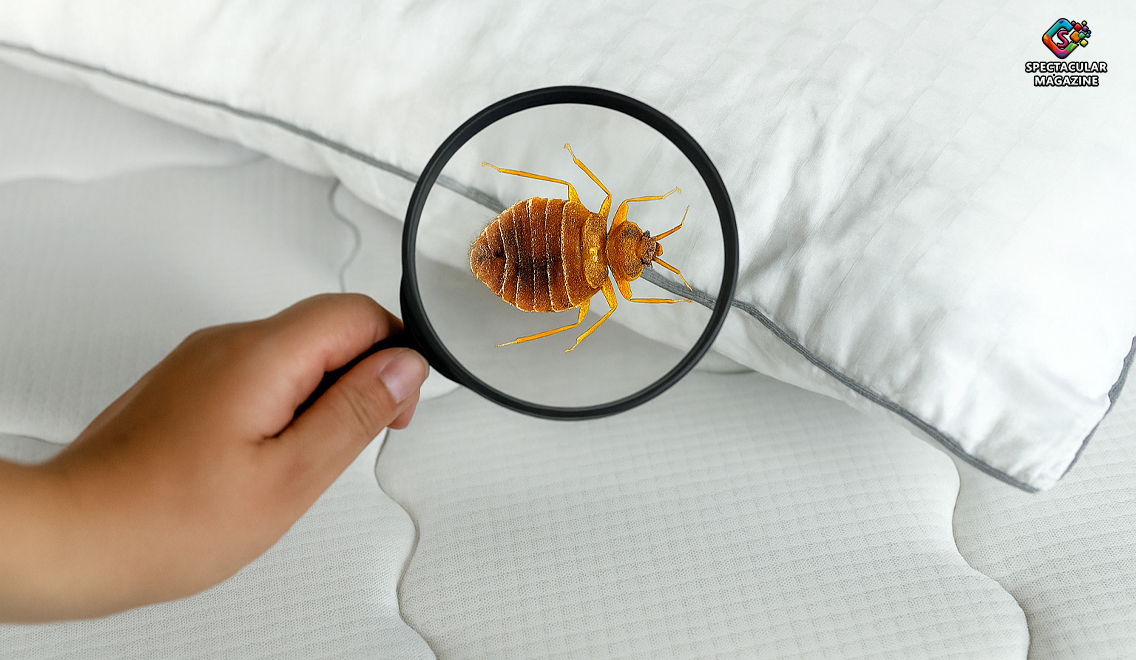
NC Cities Take Bold Action as Outbreak of Bed Bugs Rise Across the State
Bed Bugs on the Rise in North Carolina: Cities Fight Back
Bed bugs are back with a vengeance—and cities across North Carolina are waging a full-scale war against the persistent pests. From Raleigh’s community workshops to Charlotte’s rapid-response tech, five major cities are pioneering unique strategies to stem the tide of infestations that are creeping into homes, hotels, dorms, and public housing.
Here’s how each city is tackling the problem head-on.
Raleigh: Community Programs and Prevention First
Raleigh launched its “Bug-Free Raleigh” campaign in 2023, focusing on prevention, education, and access to services:
- Free hotline and inspections for low-income households
- Heat-treatment vouchers for qualifying residents
- Workshops in community centers on prevention and identification
- Partnerships with landlords for early detection and lease compliance
These steps helped reduce untreated infestations by 30% in 2024, promoting cooperation between tenants and property managers.
Charlotte: Fighting Bugs with Tech and Awareness
Charlotte is attacking the crisis with innovation. The city’s “Catch it Early” app allows residents to report suspected infestations anonymously, launching quick inspections.
- Over 120 hotspots intercepted within hours
- Social media campaign reached 200,000+ users with detection tips
- Focus on high-density housing and transit hubs
Charlotte’s data-driven approach has become a model for tech-assisted pest control.
Greensboro: Heat Squads and Building-Wide Treatments
In 2023, Greensboro created the “Heat Squad”, a city-backed program offering full-building heat treatments for multi-unit dwellings. Each resident received:
- Survival kits (mattress covers, sprays, laundering guides)
- Follow-up inspections every week for four weeks
- Tenant education sessions before and after treatment
Ten buildings have been treated with 90% success and no recurrence over six months.
Durham: Research-Based Public Housing Strategy
Durham has become a leader in evidence-based Integrated Pest Management (IPM), focusing on public housing and long-term prevention:
- Quarterly inspections and staff training
- Bed bug monitors under beds and sofas
- Tiered response system, from steam cleaning to full fumigation
Infestation rates dropped 68% in under a year, making Durham a national case study in urban pest control.
Winston-Salem: Building Trust with Tenants
Winston-Salem focused on removing stigma and helping renters report safely. Their program includes:
- Anonymous reporting and mediation between tenants and landlords
- Subsidized treatments for students and low-income residents
- Community outreach through churches, food banks, and universities
- Free drop-offs for secondhand furniture to prevent the re-use of infested items
These efforts quadrupled early reporting rates and assisted more than 400 households.
Common Threads: What Works Across NC
From high-tech apps to door-to-door education, cities are embracing common pillars of success:
- Early Detection: Free hotlines, scheduled checks, and training programs
Targeted Treatment: Emphasis on heat and steam, not blanket pesticide sprays
Education: Tenant-focused campaigns break down fear and improve reporting
Financial Support: Subsidies make treatment accessible to low-income residents
Follow-Up: Repeat inspections keep infestations from returning
Challenges Ahead
Despite progress, cities still face:
- Reinfestation from travel or used furniture
- High costs for heat treatments
- Behavioral hurdles like resident noncompliance
- Insecticide resistance limiting chemical options
- Data gaps due to underreporting or poor tracking
What’s Next: Innovation and Collaboration
North Carolina is testing:
- Smart detection devices that sense bug activity
- Biological treatments using fungi instead of chemicals
- Regional data-sharing task forces across metro areas
- Rental registries with escrow to cover treatment costs
Together, these steps aim to turn the tide against this costly and emotional crisis.
Conclusion: United We Sleep
Bed bugs may be small, but their impact is anything but. The efforts in Raleigh, Charlotte, Greensboro, Durham, and Winston-Salem show that early action, education, community support, and innovation can transform an infestation into a manageable nuisance. By combining public investment and resident participation, North Carolina is building a roadmap other states may soon follow.
One thought on “NC Cities Take Bold Action as Outbreak of Bed Bugs Rise Across the State”
Comments are closed.