

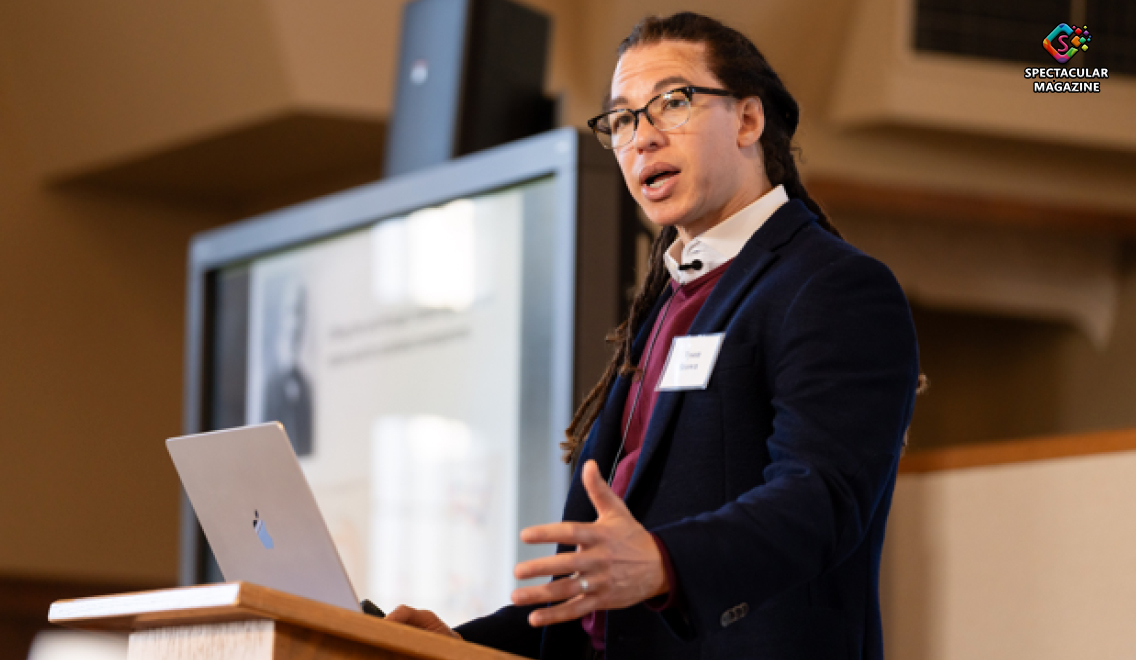
Tyson Brown Tapped to Lead Duke’s Cook Center on Social Equity, Following Legacy of Sandy Darity

DURHAM, NC — Dr. Tyson Brown, a nationally recognized scholar of race and health equity, has been appointed as the new director of the Samuel DuBois Cook Center on Social Equity at Duke University. His appointment, effective July 1, follows the tenure of Dr. William A. (“Sandy”) Darity Jr., the founding director and one of the country’s most prominent voices in racial wealth and reparations research.
Brown, a professor of sociology and associate professor in medicine, brings a strong interdisciplinary background to the role. His research focuses on structural racism, health disparities, and how societal inequality affects marginalized communities over the life course.
“I congratulate Tyson Brown on this new appointment and thank Sandy Darity for his decade of leadership and dedication to advancing our understanding of inequality and how to address it,” said Duke Provost Alec D. Gallimore in a statement.
Brown joined the Duke faculty in 2016 and has served as director of the Center on Health & Society and faculty leader of the Bass Connections Race and Society theme, both of which are part of Duke University’s Social Science Research Institute.
About the Cook Center
Founded in 2015, the Samuel DuBois Cook Center on Social Equity is a hub for research, teaching, and policy advocacy focused on the root causes of social and economic inequality. The center is named after Dr. Samuel DuBois Cook, a pioneering scholar, educator, and activist who became the first Black faculty member hired and tenured at Duke. Cook later served as president of Dillard University and as a trustee of Duke.
A New Chapter in Equity Research
Dr. Brown’s leadership marks a new chapter in the Center’s mission to examine inequities in education, employment, health, and wealth. He has long been affiliated with the Cook Center and has served in leadership roles within Duke’s broader efforts on racial equity.
His appointment is seen as a seamless continuation of the Center’s national work on reparations, economic justice, and social mobility for marginalized communities.