

Durham’s Bennett Place to Honor Enslaved People with Luminary Tribute
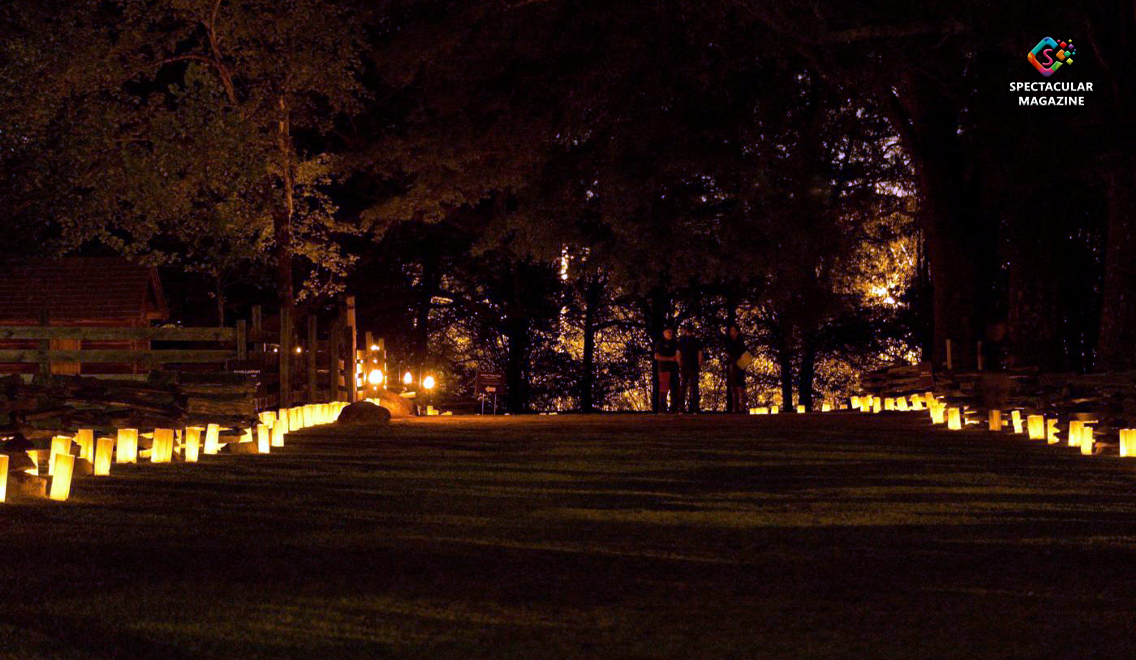
Durham, NC – Bennett Place State Historic Site will shine a powerful light on North Carolina’s history when it hosts a luminary program dedicated to the stories of enslaved people’s avenues to freedom during the Civil War era. The event, originally scheduled for April, will now take place on Saturday, Sept. 20, from 7–9:30 p.m.
The program is free and open to the public, with donations welcomed. Guests are encouraged to check Bennett Place and N.C. Historic Sites’ social media pages for weather updates.
A Powerful Symbol of Freedom

The event will feature 1,324 luminaries, each representing 250 of the 331,059 men, women, and children enslaved in North Carolina who ultimately experienced freedom with the Civil War’s end. Historians from across the state will share narratives illuminating how enslaved people forged their own pathways toward liberty.
Adding to the reflective atmosphere, musician Shana Tucker will provide live instrumental music as visitors honor the courage and resilience of those who fought for freedom.
Historical Context
From the earliest months of the Civil War, enslaved African Americans sought freedom by fleeing to Union lines, resisting forced labor, and reshaping both civilian and military policy. President Abraham Lincoln’s Preliminary Emancipation Proclamation, issued on September 22, 1862, declared enslaved people in rebelling states “forever free” beginning January 1, 1863.
Though slavery persisted within the Confederacy, the war’s conclusion—sealed by Confederate surrenders at Appomattox Courthouse in Virginia and at Bennett Place in North Carolina in April 1865—brought the institution of slavery to its end.
About Bennett Place
Located at 4409 Bennett Memorial Rd. in Durham, Bennett Place marks the site of the largest Confederate troop surrender of the Civil War. Today, its reconstructed farmhouse and outbuildings preserve the lifestyle of ordinary farmers while offering critical context for understanding the war’s legacy and the end of slavery. For more information, visit the website.
Conclusion
This luminary event is more than remembrance—it is a testament to the resilience of enslaved African Americans and their decisive role in shaping freedom. As North Carolina continues to commemorate Juneteenth and the broader legacy of emancipation, programs like this ensure their voices remain central to our collective history.