

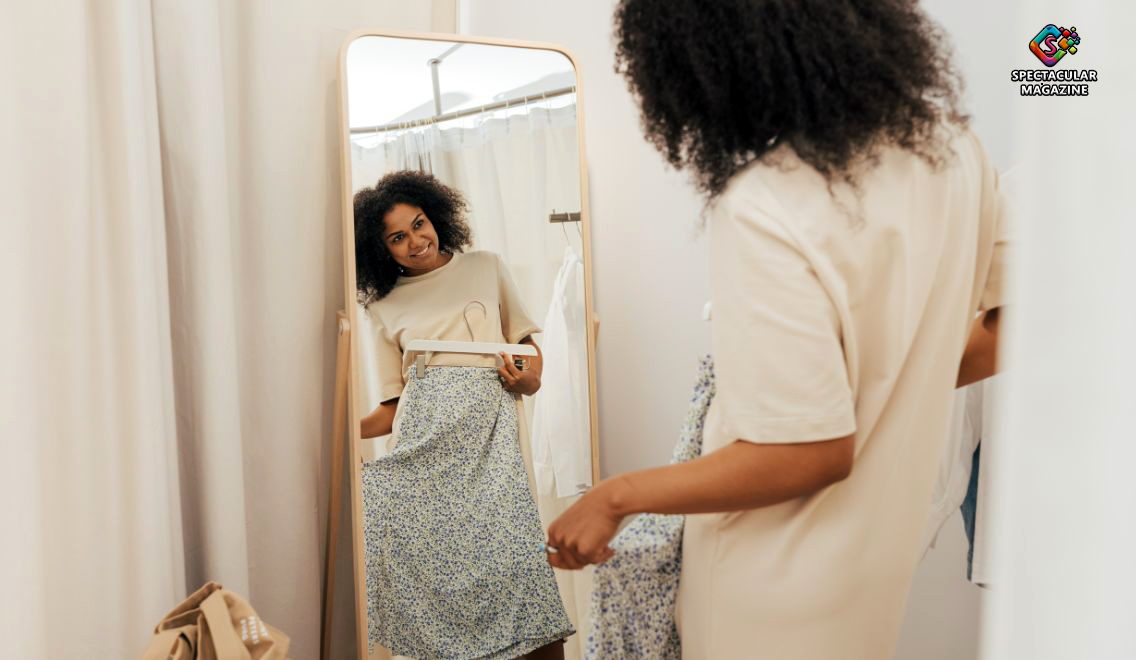
Try It On: The Science Behind Dressing Room Lighting
You find the perfect dress online, order it in your size, and eagerly await its arrival. When you finally try it on at home under your bedroom’s warm light, it looks amazing, and you feel fantastic. But then you wear it to work under harsh office fluorescents, and suddenly you feel like you’re wearing a completely different garment. The color seems off, the fit appears unflattering, and you wonder if you made a terrible mistake. Sound familiar?
This frustrating experience highlights a crucial yet often overlooked aspect of retail shopping: lighting makes a difference. The science behind how light affects our perception of clothing, skin tone, and overall appearance runs deeper than most shoppers even realize. When retailers understand and harness this science, they create dressing room environments where customers look their best while driving purchase decisions that reduce return rates. We’re trying it on one more time to understand the science behind dressing room lighting.
The Psychology of Light and Color
Light temperature dramatically influences how we perceive colors and textures. Measured in Kelvin, light ranges from warm (2700K – 3000K) to cool (5000K – 6500K), and each temperature creates a distinct psychological response:
- Warm lighting, which mimics golden hour sunlight, enhances skin tones and creates a cozy, relaxing atmosphere.
- Cool lighting, similar to midday sun, provides clarity and energy but can sometimes wash out warmer skin tones.
When you step into a dressing room bathed in warm light, your brain interprets this as a comfortable, intimate space. The golden tones enhance the natural warmth in your complexion, making you appear more radiant. Colors in clothing appear richer and more saturated under warm light, which explains why that burgundy sweater looked so luxurious in the store but seemed dull at home under cool LED bulbs.
The Science
Research in environmental psychology shows that lighting influences mood and confidence levels. Women trying on clothes under flattering lighting report feeling more attractive and self-assured, which translates into a greater willingness to purchase. This psychological boost stems from the brain’s positive association with how we appear under optimal lighting conditions.
Common Dressing Room Lighting Types
Retail spaces typically use one of three main lighting technologies, each with distinct characteristics that affect the shopping experience. Fluorescent lighting, once the standard for commercial spaces, provides bright, even illumination at a relatively low cost. However, traditional fluorescent bulbs often emit a harsh, cool light that can make skin appear pale and distort clothing colors.
T8 lighting is the most popular tube lighting choice among retailers upgrading their fluorescent systems. This light offers better color rendering than older fluorescent options while maintaining energy efficiency.
LED lighting has gained popularity due to its energy efficiency and versatility in color temperature options. High-quality LEDs produce excellent color rendering, making them ideal for dressing rooms when properly selected. They also generate less heat than traditional bulbs, which creates a more comfortable environment for customers spending time trying on multiple items.
Incandescent lighting, while less energy-efficient, provides the most natural and flattering light quality. The warm, continuous spectrum of incandescent bulbs closely mimics natural sunlight, making skin tones appear healthy and colors look true to life. Many high-end retailers still prefer incandescent or halogen lighting in their dressing rooms despite the higher energy costs.
How Lighting Influences Purchase Decisions
Strategic lighting design can increase sales by up to 30 percent, according to retail industry studies. When customers look better in the mirror, they feel more confident about their purchase decisions. Flattering lighting minimizes the appearance of skin imperfections, enhances natural coloring, and helps garment fit appear more favorable.
The positioning of light sources also plays an important role in this effect. Front-facing lighting eliminates harsh shadows under the eyes and chin, while side lighting can create unflattering shadows that make customers appear tired or aged. Overhead lighting alone often casts shadows that make trying on clothes an unpleasant experience, which can lead to abandoned purchases and negative associations with the brand.
The Perfect Lighting Environment
Successful dressing room lighting requires attention to technical specifications and design principles. The Color Rendering Index (CRI) measures how accurately light reveals colors compared to natural sunlight, with a scale from 0 to 100. Dressing rooms should use lighting with a CRI of at least 90 to promote accurate color perception and natural-looking skin tones.
Multiple light sources create the most flattering environment. Combining overhead ambient lighting with side-mounted fixtures eliminates shadows and provides even illumination. Some retailers install lighting around mirrors, similar to theatrical dressing rooms, to create the most flattering possible conditions.
Mirror placement also interacts with lighting design. Full-length mirrors positioned to catch the best light angles help customers see themselves as others will see them in natural lighting conditions. Adjustable lighting systems allow staff to modify conditions based on the time of day or specific customer needs.
Technology and the Future of Retail Lighting
Smart lighting systems represent the cutting edge of retail illumination technology. These systems can automatically adjust color temperature throughout the day to match natural lighting patterns, bridging the gap between store and real-world conditions. Some advanced systems even allow customers to preview how clothing will look under different lighting scenarios, from office fluorescents to evening restaurant ambience.
Dynamic lighting controls can adapt to different product types or customer preferences. A system might use cooler, brighter light for activewear to emphasize performance features, then switch to warmer, softer light for evening wear to enhance elegance and sophistication.
Emerging technologies include circadian lighting that mimics natural daily light patterns and personalized lighting systems that adjust based on individual skin tone analysis. These innovations promise to make dressing room experiences even more tailored and effective at driving sales and reducing those dreaded returns.
Transform Your Shopping Experience
Learning about the science behind dressing room lighting empowers retailers and shoppers to make better decisions. When you shop, pay attention to how different lighting makes you look and feel. The most flattering dressing room lighting combines warm color temperatures, high color rendering, and strategic placement to eliminate shadows and enhance your natural appearance.
For retailers, investing in quality dressing room lighting pays off with increased sales, reduced returns, and improved customer satisfaction. The right lighting transforms a functional space into a confidence-boosting environment that makes every customer look and feel their best. Was that burgundy sweater really that ugly? Or was the lighting just off?
One thought on “Try It On: The Science Behind Dressing Room Lighting”
Comments are closed.