

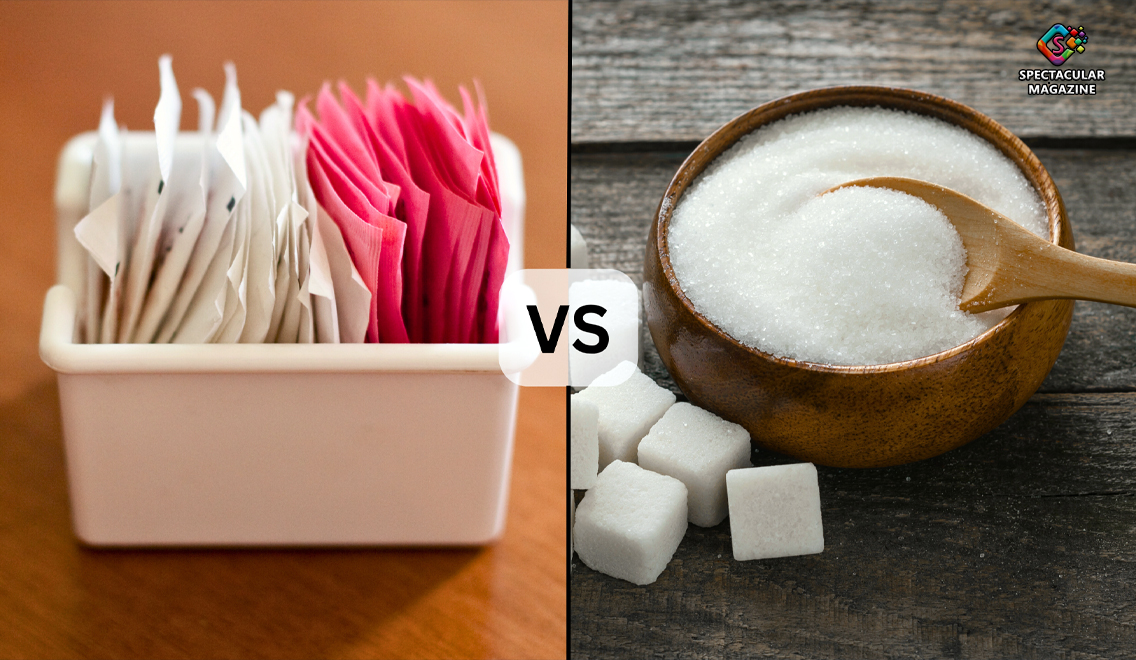
Dangers of Artificial Sweeteners vs Sugar
Artificial sweeteners promise zero calories, zero guilt, and zero impact on blood sugar — but emerging science tells a very different story. While many consumers reach for “diet” options to cut sugar, new research reveals that these additives may actually disrupt metabolism, increase cravings, and elevate long-term health risks far more than table sugar itself.
Artificial Sweeteners Disrupt the Body’s Natural Metabolism
 Artificial sweeteners were marketed as the perfect sugar alternative, but your body cannot be fooled by sweetness without calories. When the tongue tastes sweet, it sends a message that energy is coming. When that energy never arrives, the metabolism becomes confused — triggering a cascade of unintended consequences.
Research shows that artificial sweeteners alter gut bacteria, shifting the microbiome away from beneficial strains and toward harmful ones. Because gut bacteria regulate digestion, inflammation, and even hunger cues, this disruption leads to mixed hunger signals, increased appetite, and more cravings throughout the day.
Why “Zero Calories” Doesn’t Mean Zero Impact
Studies tracking diet-drink consumers found that even without sugar, insulin resistance increased within weeks. The body responded poorly to insulin despite no calorie intake, proving that sweet taste alone can trigger metabolic changes.
Your brain also plays a role: when it expects energy from sweetness and doesn’t receive it, the reward system malfunctions, creating stronger cravings for sugary foods. This is why many diet soda drinkers gain more weight than those who drink regular soda.
Sugar Isn’t Perfect — But Your Body Knows What to Do With It
Traditional table sugar does cause a spike in blood glucose, but your body has evolved to manage this process. Insulin rises, glucose is stored, and levels return to normal.
Unlike sugar, sweeteners send the body into metabolic confusion, triggering digestive receptors to prepare for glucose that never arrives.
Not All Artificial Sweeteners Are the Same — But All Raise Concerns
 Different sweeteners produce different side effects:
- Aspartame may cause headaches or mood changes.
- Sucralose can reduce beneficial gut bacteria by up to 50%.
- Saccharin has been shown to cause glucose intolerance, even in otherwise healthy people.
Across the board, studies show that individuals who use artificial sweeteners consume 200–300 more daily calories.
Low-Glycemic-Index ≠ Safe
Artificial sweeteners score zero on the glycemic index, but they still trigger insulin release, leading to hunger within hours. The “zero sugar” label hides this metabolic trickery.
The Long-Term Risks Are Only Now Coming Into Focus
Early research suggested artificial sweeteners were safe. But after decades of widespread consumption, new studies link them to:
- Metabolic syndrome
- Type 2 diabetes
- Cardiovascular disease
These are the same conditions artificial sweeteners were marketed to prevent.
The Healthier Approach: Moderation Over Substitution
Experts now agree: small amounts of real sugar are less harmful than daily artificial sweetener use. The body can comfortably process up to 25 grams of sugar per day within a balanced diet.
Artificial sweeteners simply replace one problem with another — and sometimes a more dangerous one.
Breaking Sugar Addiction Requires a Reset
Instead of swapping sugar for artificial sweeteners, health professionals recommend reducing all sweet tastes for two weeks. This resets taste buds, reduces cravings, and breaks the sweetness cycle that fuels overconsumption.