

Central Children’s Home of NC: A Legacy of Hope, Education & Empowerment in Oxford
OXFORD, N.C. — For more than a century, the Central Children’s Home of North Carolina has stood as a beacon of care, faith, and opportunity for African American youth. Originally founded as the Grant Colored Asylum in 1883, the institution’s roots reach back to the Reconstruction era, when newly freed Black children were left without reliable care or access to education.
When the Oxford Orphans Asylum opened in 1873 to serve white children only, the need for a separate facility for children of color became urgent.
The Founding of the Grant Colored Asylum
In August 1882, members of the Shiloh and Wake Missionary Baptist Associations, inspired by Rev. Dr. Augustus Shepard, formed the Colored Orphanage Association in Henderson. With support from Henry Plummer Cheatham, a Henderson native and future U.S. Congressman, the group secured congressional funding to build the state’s first orphanage for African American children.
By October 1883, the Association purchased a 23-acre farm south of Oxford for $1,565 and opened the Grant Colored Asylum as a nondenominational home for children deprived of parental support. The institution emphasized religious, moral, and industrial training—preparing its residents for self-sufficient, productive lives.
Leadership and Growth
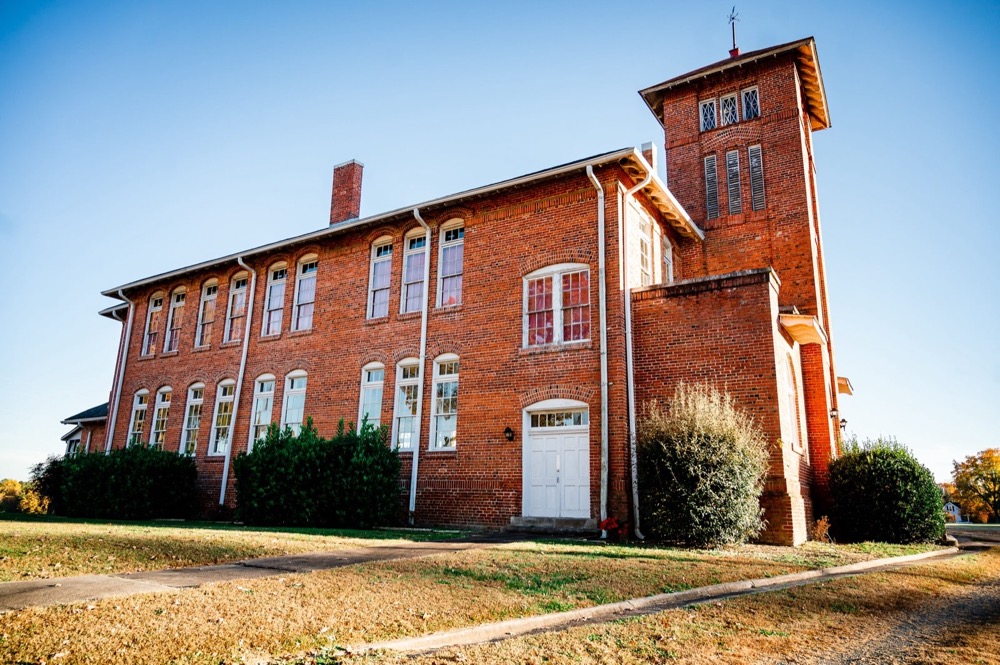
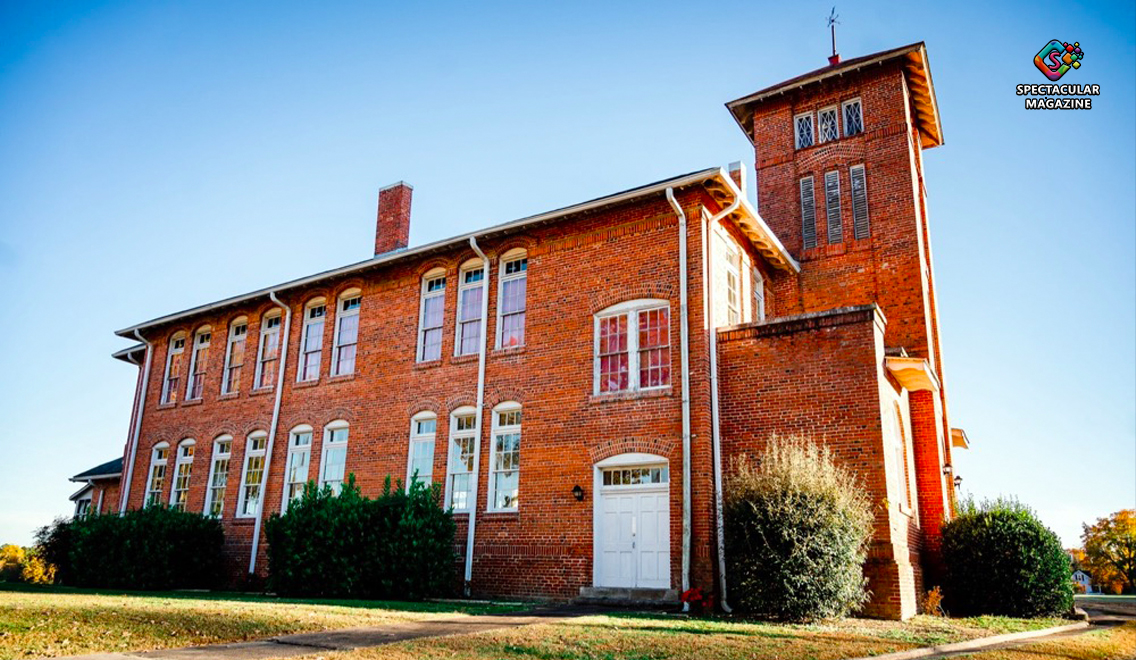
Under its first superintendent, Robert L. Shepard, and later Henry P. Cheatham, who led for 28 years, the orphanage expanded its programs and physical footprint. The main building, constructed in 1915 with Italianate architectural elements and a prominent tower, remains a historic landmark today.
The institution’s evolution is reflected in its name changes:
- 1887 – The Colored Orphanage Asylum of North Carolina
- 1927 – The Colored Orphanage of North Carolina
- 1965 – The Central Orphanage of North Carolina
- 1986 – The Central Children’s Home of North Carolina
Community Partnerships and Education
The Home was supported by a broad coalition of churches, civic groups, and fraternal organizations—including the General Baptist State Convention, Women’s Baptist Home and Foreign Missionary Convention, Prince Hall Grand Lodge, and Order of the Eastern Star.
In 1943, the Robert L. Shepard Scholarship Fund was established to help graduates pursue higher education and vocational training. The orphanage also developed connections beyond Oxford, even welcoming Native American youth, including Cherokee twin boys who later found permanent homes in the community.
A Mission That Endures
Today, the Central Children’s Home of North Carolina provides family-centered residential care for youth ages 8 to 21, focusing on emotional, educational, spiritual, and social development. The goal remains clear: to prepare young people for independence while strengthening family bonds whenever possible.
Recognized for its profound historical impact, the Home was placed on the National Register of Historic Places in 1988, and a North Carolina Highway Historical Marker on Raleigh Street honors its enduring legacy of service.