

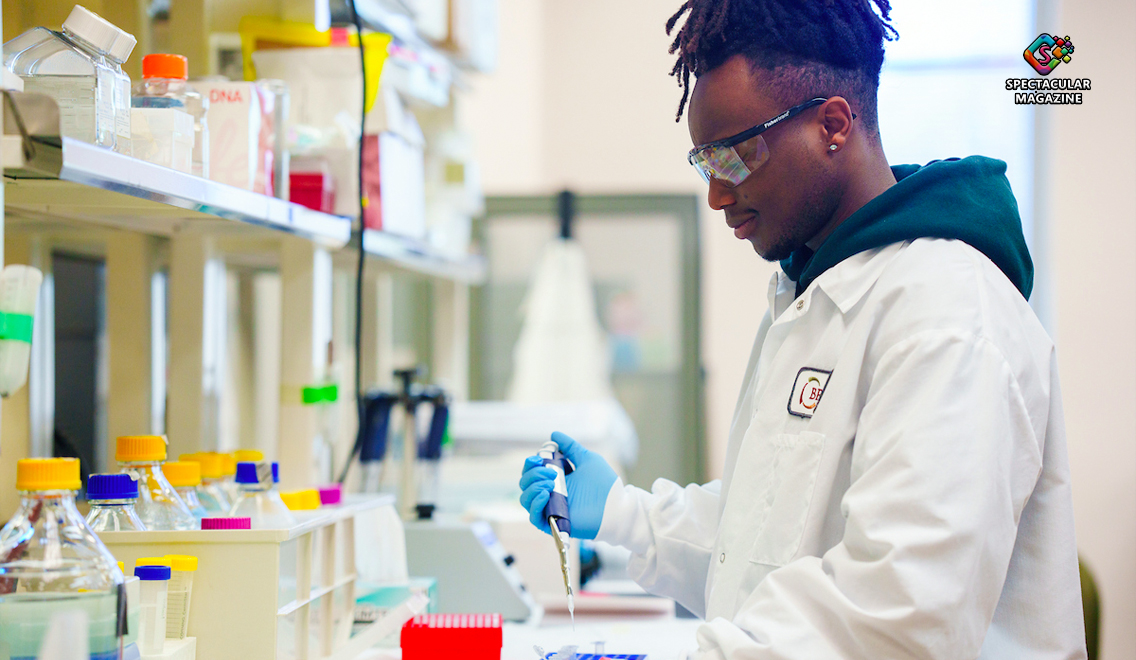
NCCU Secures $10M NIH-Backed Grant to Expand Research, Student Opportunities, Community Impact
Major investment positions Durham HBCU at forefront of health innovation and workforce development
DURHAM, N.C. — North Carolina Central University has secured a $10 million subgrant—part of a larger **$69 million award led by Duke University and funded by the National Institutes of Health—to advance translational science, student training, and community-focused health solutions.
The seven-year investment is designed to bridge the gap between scientific discovery and real-world health outcomes, ensuring research directly benefits the communities it aims to serve.
Transforming Research Into Real-World Impact

At the core of the initiative is translational science—a field focused on turning lab discoveries into practical treatments, interventions, and improved health outcomes.
Dr. Deepak Kumar, NCCU’s associate provost and dean of Research and Sponsored Programs, emphasized the university’s mission-driven approach.
“We are a community-engaged organization,” Kumar said. “It is really important for us to translate evidence-based discoveries to the community.”
Expanding Community Engagement and Health Equity
Leaders say the funding will accelerate community-centered research initiatives, including:
- Training researchers to collaborate effectively with communities
- Providing pilot funding for faculty-led research
- Developing ethno-dramas to raise awareness about health issues
- Building data dashboards addressing topics like food insecurity, environmental concerns, and digital access
Dr. Seronda Robinson, co-director of NCCU’s HOPE program, noted that community input will shape the next phase.
“We’re in the early stages,” she said. “We have ideas, and now we’re ensuring they align with community needs.”
Preparing Students for High-Demand Careers
The grant will also strengthen student workforce development, equipping NCCU students with in-demand skills across emerging industries.
Planned initiatives include:
- Expanded clinical research and data science opportunities
- Training in artificial intelligence, regulatory affairs, and clinical trials
- Increased focus on data literacy and applied research skills
“We want NCCU graduates to be the most qualified when they leave the program,” said Dr. Tracie Locklear, research assistant professor in pharmaceutical sciences.
Strengthening NCCU–Duke Collaboration
The partnership will be coordinated through the Bridge Office, enhancing collaboration between NCCU and Duke University across clinical and translational research.
Dr. Faye Calhoun, interim director of the Julius L. Chambers Biomedical and Biotechnology Research Institute, called the funding “critical” to expanding NCCU’s research infrastructure.
The grant will support approximately 11 departments, significantly broadening the university’s research footprint.
A Strategic Investment in Innovation and Equity
NCCU Chancellor Dr. Karrie G. Dixon underscored the long-term impact of the award.
“This grant will enable North Carolina Central University to expand our research impact and deepen our engagement with communities,” Dixon said. “It also creates meaningful opportunities for students to engage in hands-on discovery.”
As NCCU continues to elevate its research profile, the investment signals a powerful step forward in advancing health equity, innovation, and opportunity through an HBCU lens.
Feature image credit: JWest Productions