

$3.5M Youth Mental Health Program Launching in Butner Detention Center
RALEIGH, NC – A major investment in youth mental health is coming just outside Durham, as state leaders launch a $3.5 million pilot program inside a juvenile detention center in Butner. The initiative is designed to address a critical gap in care for young people in custody—bringing urgently needed mental health services directly to those who need them most.
New Program Coming to Butner Facility
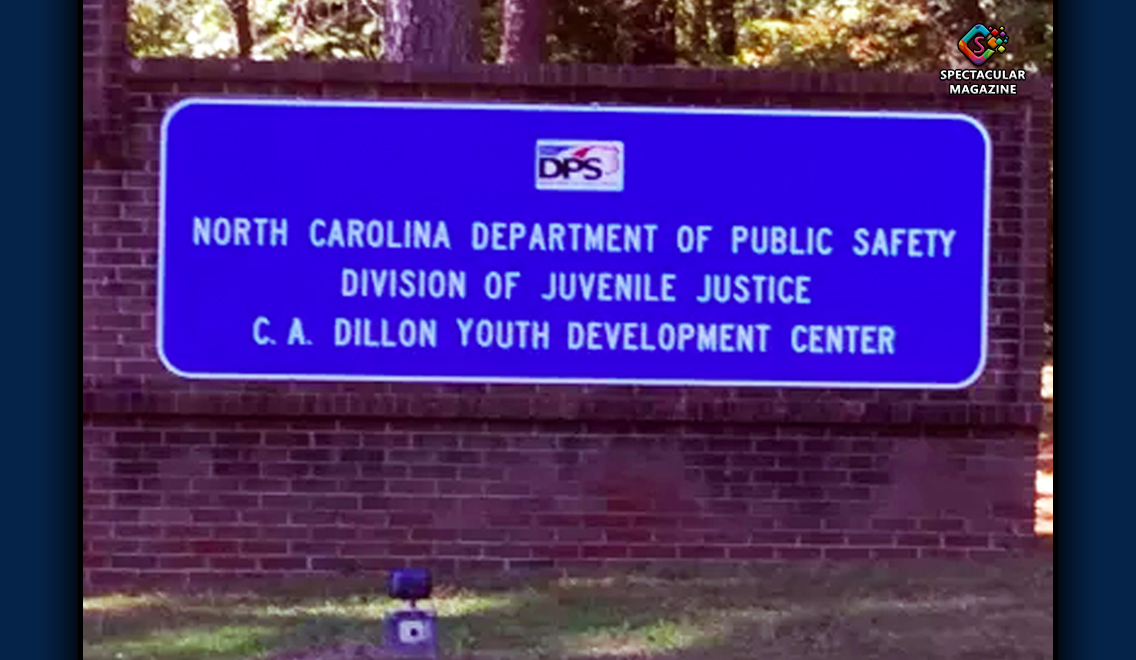
The Dillon Juvenile Detention Center in Butner will serve as the site of a new, state-funded mental health program operated by New Hope Treatment Centers.
The initiative is a partnership between:
- North Carolina Department of Health and Human Services
- North Carolina Department of Public Safety
- Alliance Health
- New Hope Treatment Centers
Officials say the program will provide on-site crisis mental health care for youth in secure custody—many of whom are dealing with complex behavioral and emotional challenges.
Why This Matters for the Region
Located just outside Durham, the Butner facility plays a key role in serving youth across the Triangle and surrounding counties.
State data reveals the urgency:
- More than 97% of youth in development centers have at least one mental health diagnosis
- Over half also have a substance use disorder
Experts warn that without proper intervention, these challenges can lead to:
- Increased trauma and psychological distress
- Higher risk of adult criminal involvement
- Lower educational and employment outcomes
“This partnership is one of many ways we are increasing access to services to support a mental health care system that works for everyone,” said NCDHHS Secretary Dev Sangvai.
What the Program Will Offer
The pilot program will introduce a dedicated mental health care team within the facility to provide timely, specialized support.
Key Components Include:
- Crisis intervention plans tailored to each youth
- Comprehensive mental health assessments
- Clinical treatment, including psychiatric nursing support
- Whole-person care coordination, addressing needs like housing, education, and family support
The program will serve youth experiencing:
- Repeated suicide watch
- Psychosis or withdrawal symptoms
- Intellectual or developmental disabilities
- Severe behavioral challenges
Up to 10 youth at a time will receive services in a designated treatment space inside the facility.
Shifting the Approach: Care Over Punishment
State leaders say the initiative reflects a broader shift in how youth in the justice system are treated.
“We want to focus on care over punishment,” said Kelly Crosbie, Director of the Division of Mental Health, Developmental Disabilities and Substance Use Services.
The goal is to ensure young people receive the support they need to stabilize, heal, and successfully return to their communities.
Partnership Expands Access to Critical Services
Officials emphasized that justice-involved youth often face significant barriers to accessing care.
“Justice-involved youth frequently face significant challenges in accessing behavioral health care,” said William Lassiter, Deputy Secretary of Juvenile Justice.
Through this partnership, services will now be delivered directly inside the facility, eliminating delays and improving outcomes.
Alliance Health and New Hope Treatment Centers will bring experience from community-based and crisis response programs to support implementation.
Part of a Broader Statewide Strategy
The program aligns with Governor Josh Stein’s Executive Order 33, which prioritizes expanding mental health care access for people involved in the justice system.
State officials say this is part of a larger effort to build a more responsive and equitable mental health system across North Carolina.
Conclusion
As mental health challenges among youth continue to rise, this new program in Butner represents a significant step toward addressing the issue at its source. By bringing care directly into the juvenile justice system, state leaders are aiming to change outcomes—not just for individuals, but for communities across the region.