

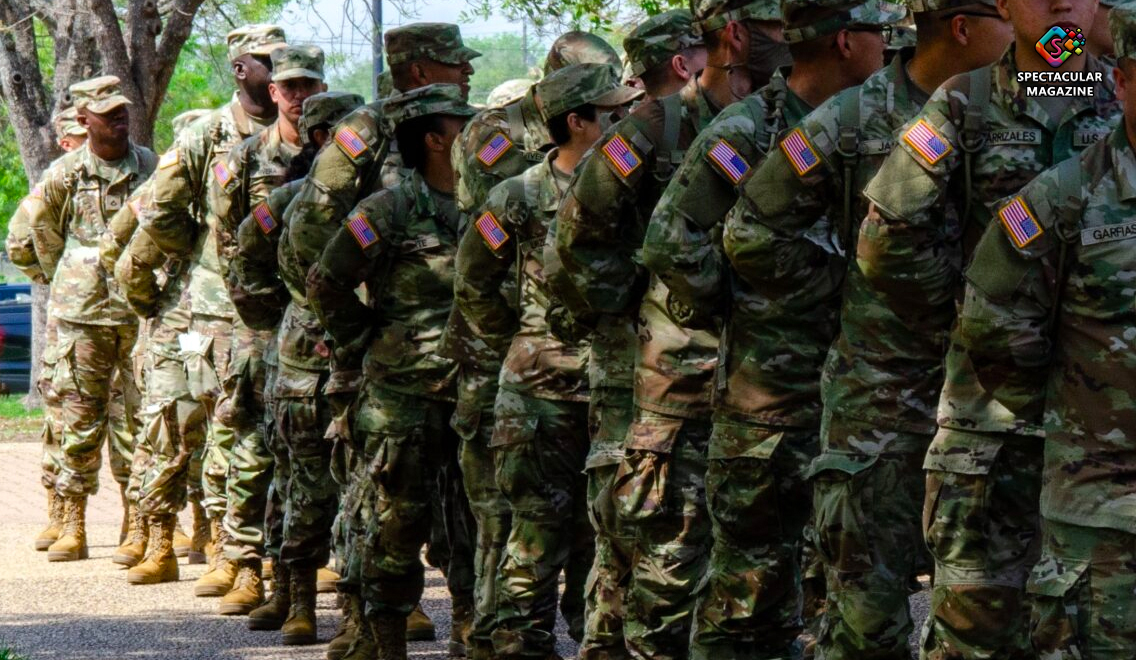
U.S. Moves Toward Automatic Draft Registration for Eligible Men, Sparking Questions and Debate
WASHINGTON, DC – A major shift in how the United States tracks potential military service members is on the horizon, as federal officials move to automate a process that has long relied on individual compliance. The change is already generating conversation nationwide, raising questions about policy, priorities, and what it could mean moving forward.
Automatic Registration Proposal Moves Forward
The Selective Service System (SSS) has proposed a new rule that would automatically register eligible men into the military draft database, eliminating the need for individuals to sign up themselves.
The proposal, submitted on March 30 to the Office of Information and Regulatory Affairs, is designed to:
-
Streamline the registration process
-
Reduce administrative costs
-
Shift responsibility from individuals to federal data systems
Who Is Affected
Currently, most men ages 18 to 26 in the United States are already required by law to register with the Selective Service.
Under the new system:
-
Eligible men would be automatically enrolled using federal records
-
Individuals would no longer need to manually complete registration forms
The change was authorized as part of the Fiscal Year 2026 National Defense Authorization Act, signed into law in December 2025.
Timeline and Implementation
The automatic registration system is expected to take effect in December 2026.
While the United States has not had an active military draft since 1973, the Selective Service database remains in place for use during a national emergency.
No Active Draft Planned—For Now
Amid global tensions, some have questioned whether the updated system signals a potential return to the draft.
However, White House officials have stated that a draft is “not part of the current plan right now,” though future options remain open.
It’s important to note that:
-
A draft cannot be reinstated by executive action alone
-
Congress must pass legislation to authorize it
Penalties for Not Registering
Failure to register with the Selective Service remains a federal offense, carrying significant consequences, including:
-
Loss of eligibility for federal student aid
-
Ineligibility for certain government jobs and training programs
-
Potential fines of up to $250,000
-
Possible prison time of up to five years
For immigrants, failure to register may also impact their path to U.S. citizenship.
Who Is Exempt
Certain individuals are exempt from registration requirements, including:
-
Men on full-time active military duty
-
Those who were hospitalized or incarcerated during ages 18–25
Women, despite their expanded role in the military, are not currently required to register, though the issue has been debated in Congress.
Public Reaction and Ongoing Debate
The proposal has sparked widespread discussion online, with some questioning broader policy priorities—particularly around civic participation and government systems.
Critics have pointed to the contrast between automatic draft registration and the absence of automatic voter registration, while others view the move as a practical modernization effort.
Conclusion
As the federal government moves toward automation, the shift in draft registration marks a significant policy change—even without an active draft in place. With implementation still more than a year away, the conversation around fairness, necessity, and long-term implications is likely to continue.