

NCCU Expands College Access With Eight New Community College Partnerships Across North Carolina
A community college education could now lead to a smoother path toward a four-year degree at North Carolina Central University. Eight new partnerships are creating opportunities for students, including those in rural communities. Find out which colleges are participating and what benefits students could receive.
DURHAM, NC — North Carolina Central University (NCCU) is expanding access to four-year degrees through eight new community college partnerships, creating additional opportunities for students across North Carolina, particularly those in rural communities, to pursue a bachelor’s degree at the historically Black university.

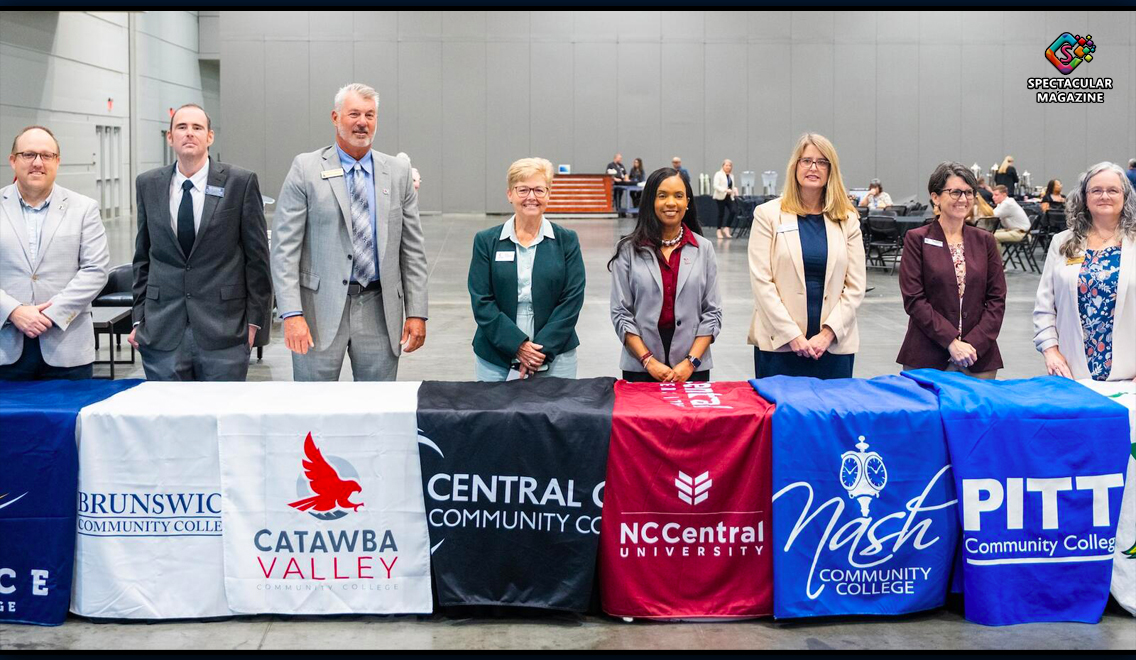
The agreements, established through NCCU’s Eagle Connect program, were formalized during a signing ceremony on October 14, 2026, at the Raleigh Convention Center, where university and community college leaders gathered during the biennial North Carolina Community College System Conference.
The initiative is designed to simplify the transfer process, reduce financial barriers, and help students successfully transition from community college to NCCU.
Eight Community Colleges Join Eagle Connect
The newly announced partnerships include:
- Alamance Community College
- Brunswick Community College
- Catawba Valley Community College
- Central Carolina Community College
- Nash Community College
- Pitt Community College
- Robeson Community College
- Vance-Granville Community College
The agreements reflect NCCU’s efforts to reach students in rural North Carolina, where access to nearby four-year institutions may be limited.
For some participating colleges, the partnerships represent their first formal collaboration with a historically Black college or university (HBCU).
NCCU Chancellor Karrie G. Dixon joined the presidents of seven participating community colleges for the signing ceremony.
Guaranteed Admission and Financial Benefits for Students
Through the NCCU Eagle Connect program, participating students receive several benefits designed to make transferring to the university easier and more affordable.
Among the benefits are:
- Guaranteed admission to NCCU for eligible Eagle Connect participants.
- Waiver of the $50 NCCU application fee.
- Academic advising and assistance selecting transferable courses.
- Early registration opportunities.
- Potential eligibility for transfer scholarships and other cost-saving opportunities.
Students also gain access to university resources before officially transferring, helping them become familiar with campus life and available academic support.
These opportunities include select NCCU athletic events, Lyceum programs, career fairs, educational workshops, and the James E. Shepard Memorial Library.
Once enrolled at NCCU, transfer students can use the university’s Course of Study Planner to monitor academic progress and remain on track toward completing their bachelor’s degrees.
NCCU Leaders Emphasize Student Success
Dr. Ontario Wooden, NCCU provost and vice chancellor for academic affairs, said Eagle Connect reinforces the university’s commitment to expanding educational opportunities.
“Eagle Connect strengthens our commitment to expanding educational access by creating seamless transfer pathways that help students transition successfully from North Carolina community colleges to North Carolina Central University,” Wooden said.
He added that the partnerships will strengthen academic collaboration and provide more opportunities for North Carolina residents to pursue their educational and career goals.
Dr. Sharon Oliver, NCCU associate vice chancellor for enrollment management, emphasized that the agreements are about more than institutional partnerships.
“Through these memoranda of understanding, we are doing more than signing eight agreements—we are building bridges to opportunity, achievement, and timely degree completion,” Oliver said.
Expanding HBCU Opportunities Across North Carolina
The expansion of NCCU Eagle Connect provides students attending participating community colleges with a more clearly defined route toward earning a bachelor’s degree at an HBCU.
By connecting students with academic advising, campus resources, and financial opportunities before transferring, NCCU aims to make the transition between institutions more manageable.
The partnerships also strengthen relationships between North Carolina’s community colleges and NCCU, supporting the university’s broader efforts to expand educational access throughout the state.
Students interested in learning more about transfer opportunities can visit North Carolina Central University’s website.
Source: North Carolina Central University.