

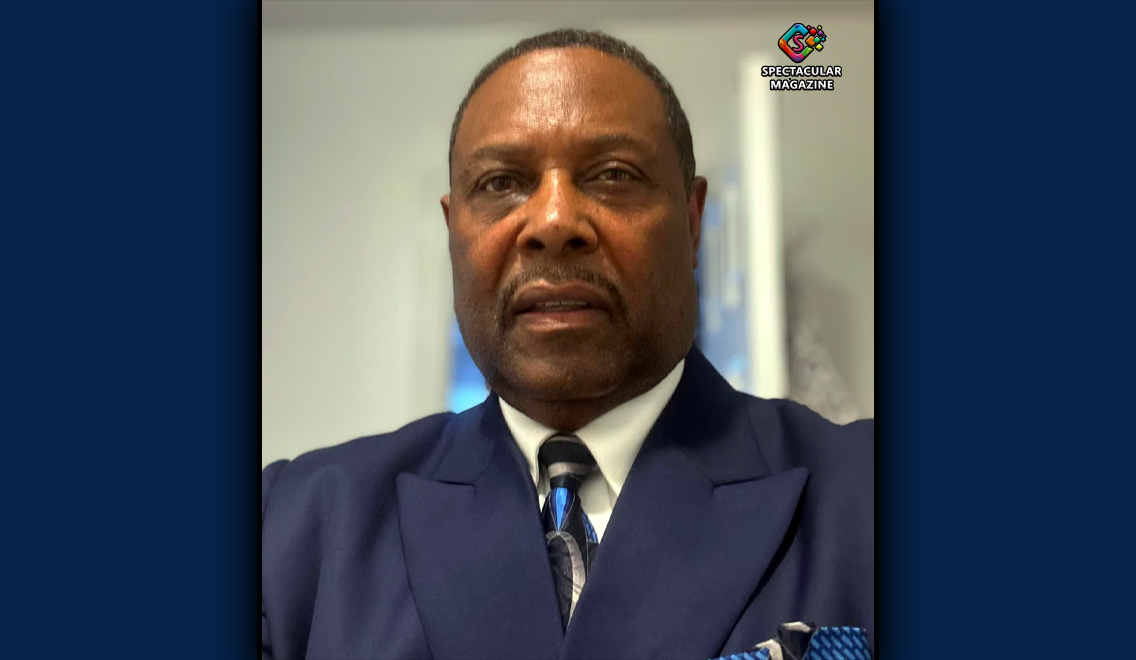
NC Minister Wins $325K Settlement After Police Falsely Charged Him for Son’s Cocaine
FAYETTEVILLE, N.C. — A North Carolina minister who spent months behind bars for a crime committed by his son has reached a $325,000 settlement with the Southern Pines Police Department after suing for malicious prosecution and constitutional violations.

Lee Marvin Harris Sr., 65, was arrested in February 2018 after police found cocaine in an inoperable Cadillac parked on his property. The drugs, it turns out, belonged to his son — a fact law enforcement allegedly omitted when presenting the case to prosecutors. Harris Sr. was charged with drug possession and trafficking, despite there being no evidence that he touched or knew about the drugs.
“No Probable Cause,” But a $5 Million Bond
According to court records, police never observed Harris Sr. going near the vehicle, and his son, Lee Marvin Harris Jr., later pleaded guilty to using his father’s car to store cocaine. Federal prosecutors confirmed the narcotics belonged to the younger Harris.
Still, Harris Sr. was jailed under a $5 million bond, spent six months in state custody, and endured four months of house arrest before the charges were dropped. He filed a civil rights lawsuit in 2021, claiming that officers fabricated evidence to retaliate against him for years of helping others file misconduct complaints against police — including several reports involving Officer Jason Perry, one of the officers who arrested him.
Legal Breakthrough: Fourth Circuit Decision Opens New Doors
In August 2024, the Fourth Circuit Court of Appeals ruled that Harris Sr. may have been arrested without probable cause and allowed his 14th Amendment fabrication of evidence claim to proceed. The court found that police had withheld critical exculpatory evidence from prosecutors — namely, that Harris Jr. had admitted responsibility for the drugs.
“No ‘reasonable officer’ would have believed that he could constitutionally mislead and deceive prosecutors in this manner,” wrote U.S. Circuit Judge Roger Gregory in the opinion.
The ruling sets a major legal precedent, affirming that even when an officer has probable cause, a citizen may still bring a due process claim if police fabricate or conceal evidence.
Settlement Reached Before Trial
Harris Sr. and his legal team, led by Abraham Rubert-Schewel of Tin Fulton Walker and Owen, were preparing for trial in federal court when the $325,000 settlement was offered. The case was jointly dismissed in October 2024.
“I hope it brings relief to other victims of police abuse,” said Harris Sr., who has spent nearly two decades advocating for police accountability.
Though satisfied with the legal outcome, Harris says he is “deeply concerned and offended” that most of the officers involved remain on the Southern Pines police force. “The town needs to ask itself if these are the kinds of officers taxpayers should be supporting.”
A Message That Echoes Beyond One Man
Rubert-Schewel called the case a landmark victory for civil rights plaintiffs and citizens fighting police misconduct. The ruling clarifies that officers cannot hide or distort the truth just to bring charges or raise someone’s bond.
“This means police can no longer fabricate evidence in an attempt to influence prosecution decisions,” he said.