

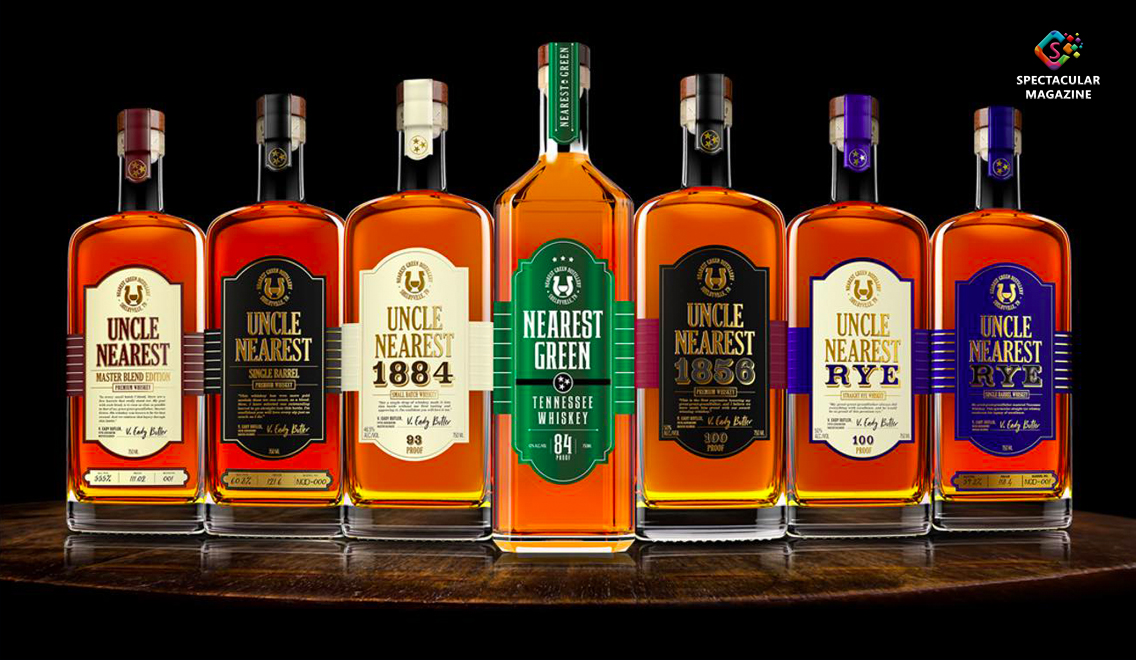
Uncle Nearest Whiskey Faces $100M Lawsuit, Control Fight Threatens Black-Owned Brand
Federal rulings, disputed loan claims, and leadership battle put fast-rising spirits company at risk
 DURHAM, N.C. — One of the most celebrated Black-owned spirits brands in the country is now facing a high-stakes legal battle that could reshape its future. Uncle Nearest Premium Whiskey, once hailed as the fastest-growing whiskey brand in the U.S., is now at the center of a $100 million lawsuit and a fight over control of the company.
The lawsuit, filed by Kentucky-based lender Farm Credit Mid-America, alleges that the company defaulted on loans exceeding $100 million—triggering a series of legal actions that have already resulted in a court-appointed receiver taking partial control of the business.
Court-Ordered Control Shift Raises Stakes

In a major development, a federal judge approved a request to install a third-party receiver, effectively removing full operational control from founders Fawn Weaver and Keith Weaver.
The ruling marks a critical turning point for the brand, which was founded in 2017 and quickly became a standout success story in the spirits industry.
The Weavers have since filed an appeal, signaling that the legal fight is far from over. As of March 20, however, no hearing date has been scheduled, leaving uncertainty around the company’s immediate future.
Inside the $100 Million Lawsuit
At the center of the dispute is a disagreement over loan collateral tied to whiskey inventory.
According to court filings:
- Uncle Nearest allegedly pledged 77,000 barrels of whiskey as collateral
- When Farm Credit attempted to collect, they claim there was a $21 million shortfall in inventory
- The lender also alleges the company submitted inaccurate financial reporting
- Additional claims include a $2 million loan used for property investment
These allegations form the backbone of the lender’s case, raising serious questions about financial reporting and asset valuation.
Founders Push Back, Call Claims “Inaccurate”
Fawn Weaver has publicly denied the allegations, calling the lawsuit “salacious and inaccurate.”
In a social media response, she suggested the legal action is a byproduct of the company’s rapid growth and visibility, stating, “You’ve got to be doing something really big for people to spend their energy writing hit pieces.”
The founders also maintain that lenders were aware of the loan payments being paused, which they say followed the dismissal of the company’s former Chief Financial Officer.
A Legacy Rooted in Black History
Uncle Nearest is named after Nathan “Nearest” Green, a formerly enslaved Black man widely recognized as a pioneer in American whiskey-making and mentor to Jack Daniel.
The brand’s rise has been celebrated as a powerful example of Black entrepreneurship, cultural legacy, and industry disruption.
What Happens Next
With legal proceedings ongoing and leadership control in flux, the future of Uncle Nearest remains uncertain.
What began as a groundbreaking success story is now entering a critical chapter—one that could determine whether the brand stabilizes, restructures, or faces deeper operational challenges.
For many supporters, the case represents more than a business dispute—it’s a test of ownership, legacy, and resilience in the face of adversity.
Yesterday, while I was at work, my sister stole my iphone and tested to see if it can survive a 25 foot drop, just so she can be a youtube sensation. My iPad is now destroyed and she has 83 views. I know this is entirely off topic but I had to share it with someone!