

Foushee Demands Answers on Army Plan That Could Impact NCCU ROTC Access in Durham

WASHINGTON, DC – A proposed shift in a long-standing military training program in Durham is drawing sharp scrutiny from Capitol Hill, as Congresswoman Valerie Foushee presses the U.S. Army for answers about a decision that could directly affect North Carolina Central University (NCCU) students and their access to ROTC resources.
Foushee Calls Out Gaps in Army’s Response
Foushee is raising concerns that the Army’s response to her earlier inquiry fails to fully justify a major restructuring decision involving the Bull City Battalion, a program that has operated in Durham for more than four decades.
While Army officials pointed to budget reductions and a 17% decline in officer production since 2020, Foushee argued those explanations fall short of addressing the real-world impact on local students.
“The response does not assess retention or attrition risk, potential training degradation, or the specific impact on NCCU cadets,” she wrote, emphasizing the lack of clear safeguards, transition planning, or accountability measures.
The full text of Congresswoman Foushee’s letter can be found here.
What’s Changing with the Bull City Battalion

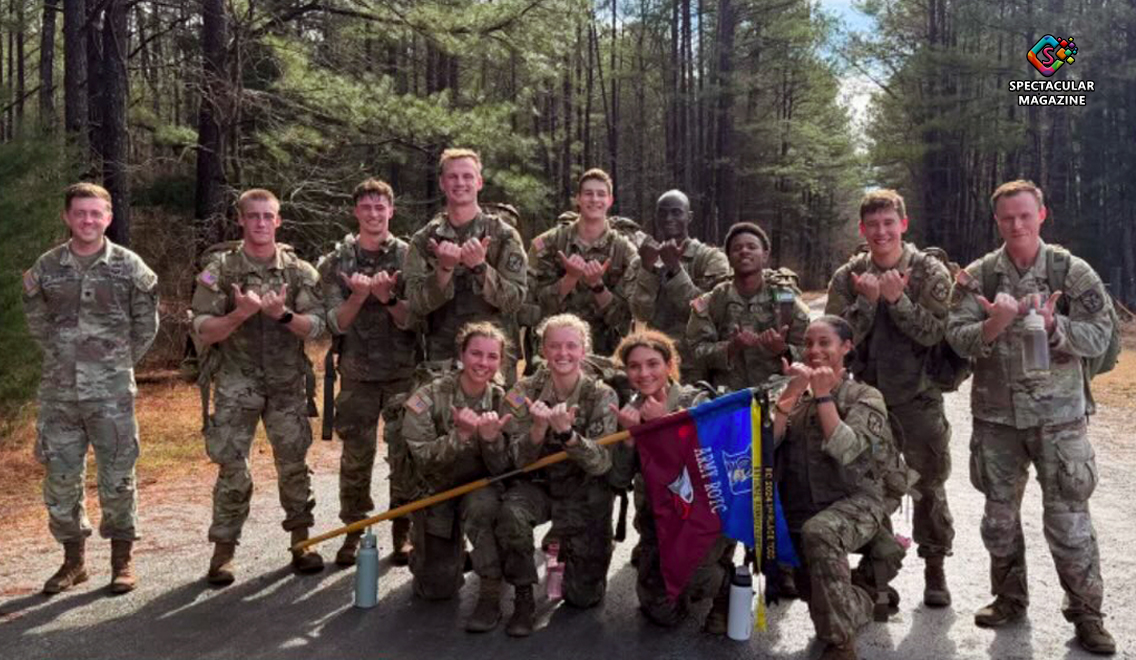
The Bull City Battalion, hosted at Duke University since 1982, has long served as a central ROTC hub for students across the Triangle.
A new proposal would reclassify the battalion as an extension of the University of North Carolina at Chapel Hill, a move that could significantly reshape:
- Leadership structure
- Staffing and on-site support
- Program accessibility for Durham-based students
Foushee also warned the change could lead to the loss of on-site military leadership and civilian support roles at Duke University.
Concerns Mount Over Impact on NCCU Students
At the center of the issue is how the restructuring could affect NCCU cadets, particularly those who depend on proximity and direct access to the program.

Foushee highlighted several unresolved concerns:
- Increased travel time for training
- Reduced local mentorship and support
- Potential decline in program participation and outcomes
She stressed that the Army has not clearly outlined how it will protect student success during the transition.
Key Questions Still Unanswered
Foushee is now demanding detailed clarification from Army Cadet Command, specifically requesting:
- A full cost and funding analysis, including alternatives considered
- Any retention, attrition, or training impact assessments
- Concrete safeguards and mitigation plans to preserve program quality
“Our intent is not to question Cadet Command’s authority,” she wrote, “but to ensure that a decision with direct district-level impact is supported by a complete justification.”
Why This Matters for Durham and HBCUs
This issue extends beyond administrative changes—it raises broader concerns about equity and access, particularly for students at historically Black colleges and universities (HBCUs) like NCCU.
Any reduction in accessibility or support could have long-term consequences for military career pathways and representation among future officers.
What Happens Next
The Army has not yet publicly responded to Foushee’s latest request for additional details.
As pressure builds, the outcome could shape not only the future of the Bull City Battalion—but also how similar programs are structured across the region.
Conclusion
At its core, this debate underscores a larger question: whether institutional changes are being made with full consideration of their impact on local communities. As Foushee continues to push for answers, the focus remains on protecting opportunity and access for the next generation of leaders.