

Black Maternal Health Crisis: Why North Carolina Mothers Still Struggle to Be Heard
Black women continue to face disproportionately dangerous pregnancy outcomes. Sen. Natalie Murdock and birth doula Courtney Hall explain how medical bias, limited access, and gaps in support place mothers at risk—and what must change.
DURHAM, NC — A Black woman’s education, income or professional status may not protect her when her concerns are minimized during pregnancy or childbirth. In North Carolina, Black women are nearly twice as likely as white women to die from pregnancy complications, according to state health officials.
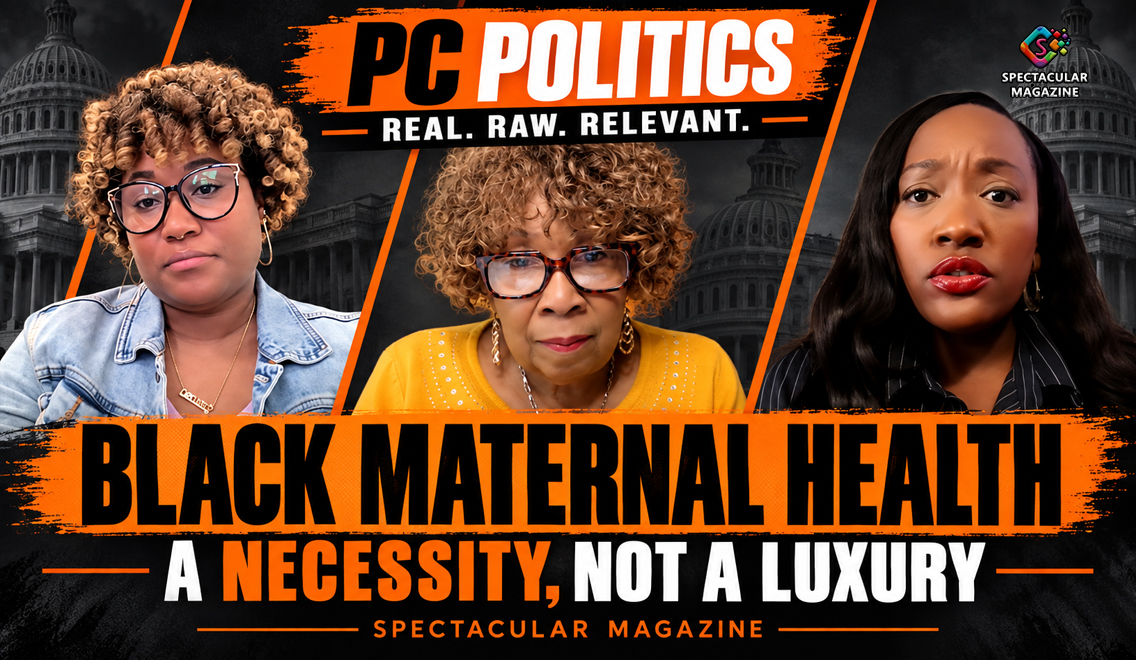
During the latest episode of PC Politics — Real. Raw. Relevant., N.C. Sen. Natalie Murdock and Courtney Hall, owner of Bump.Baby.Bliss. Doula, Counseling & Ultrasound Studio, examined how racial bias, limited access to maternity care and inadequate support before and after birth continue to endanger Black mothers.
Their shared message was direct: Maternal care cannot be reserved for families who can afford additional services or already know how to navigate the health care system. As Hall put it, “Pre- and postpartum care is a necessity, not a luxury.”
A Mother’s Concerns May Be Minimized
Hall, a certified birth doula and licensed clinical social worker associate, said women do not always feel that their concerns are completely ignored. Sometimes, she said, they are minimized.

“My goal is to help families understand their bodies, understand when things are not right—or when things are right—and be confident enough to speak up for themselves,” Hall said.
She emphasized that advocating for oneself does not mean fighting with medical providers. It means asking questions when a standard protocol does not appear to match what the patient is experiencing.
“Let’s not dismiss what I’m feeling because of what protocol is saying, because protocol does not match every person,” Hall said.
Hall described her own experience during her third pregnancy. Although she was already a mother and trained doula, she felt that something was wrong and insisted on receiving bloodwork earlier than initially recommended. Testing revealed that one of her hormone levels was dangerously low, allowing her providers to intervene.
“I could have lost my baby,” Hall said. “But I didn’t because I was very in tune.”
The experience reinforced one of her central lessons for families: Each pregnancy is different, even when the mother has given birth before.
“It’s Okay to Hold Space”
Hall encouraged women to believe that their questions deserve time and attention.
“It’s okay to hold space,” she said. “It’s okay that if you feel it, to say, ‘Can I speak with somebody else?’”
Requesting another provider or a more detailed explanation could prompt a medical professional to give the patient’s concerns greater attention—or connect the patient with someone better positioned to help.
“Just being okay with holding space,” Hall said, “really could save your life and your baby’s life.”
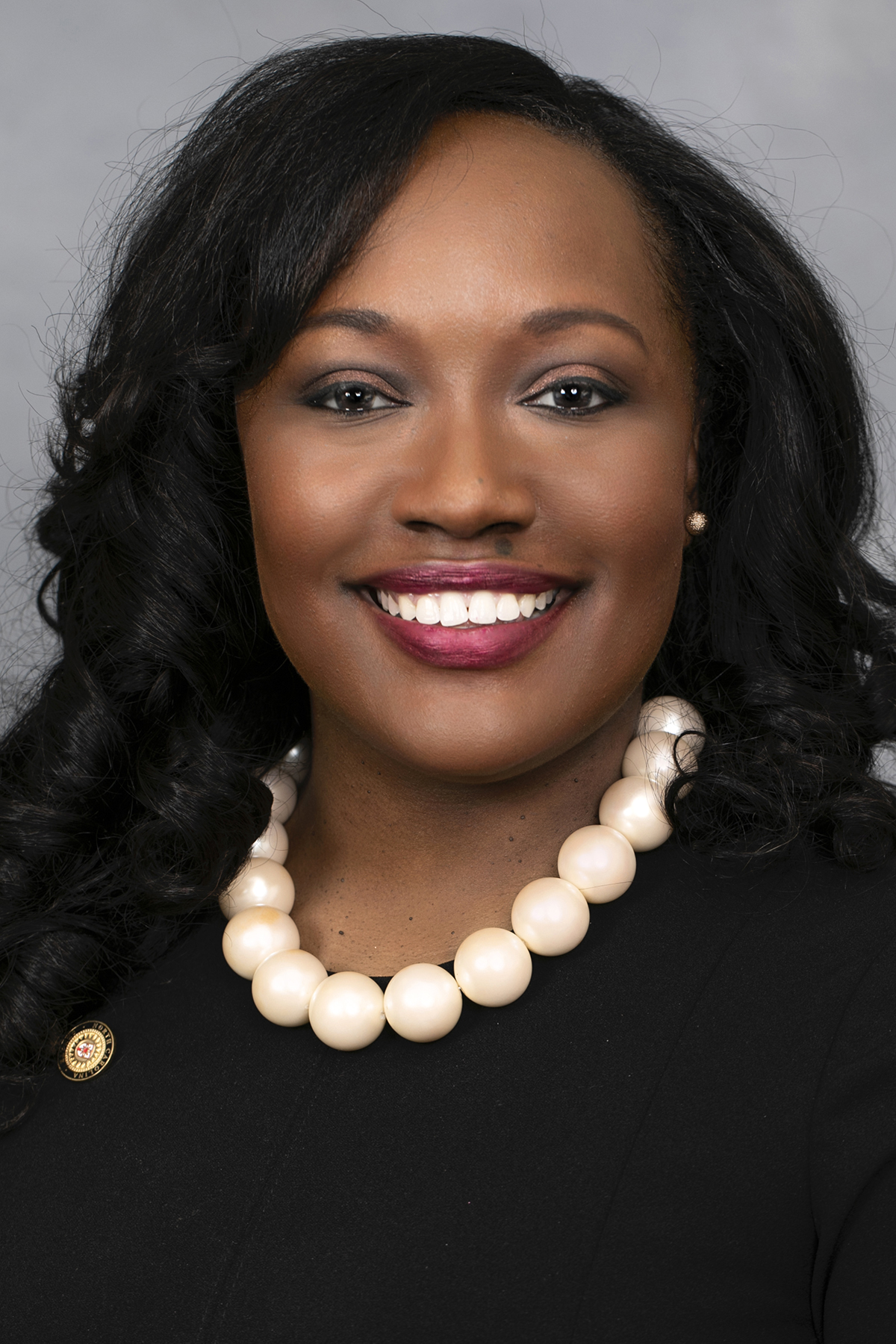
Murdock said Black women should not have to dress a certain way, cite their degrees or otherwise prove their status to receive respectful care.
“I don’t care if you’re 17 in flip-flops and leggings,” Murdock said. “You still should be treated with dignity and respect.”
The Role of a Doula
A birth doula is a nonmedical professional who provides physical, emotional and informational support during pregnancy, labor, and the period immediately following birth.
Hall said doulas help mothers and their partners understand the birth process, prepare questions, develop birth preferences and communicate with medical providers.
That assistance can become critical when a mother is exhausted, frightened, medicated, or otherwise unable to express her wishes clearly.
“What if you pass out? What if you’re not feeling your best?” Murdock asked. “You physically have that person there to advocate.”
Murdock said doulas have become increasingly important as large health systems place time restrictions on medical appointments. A provider may have only 15 or 20 minutes with a patient, while a doula can offer additional education and regular check-ins.
Access remains uneven, however. Doula services are frequently paid for out of pocket, placing them beyond the reach of families who might benefit most.
Hall said independent doulas also face administrative barriers when attempting to participate in Medicaid-funded programs. Extensive paperwork and insufficient reimbursement can discourage smaller providers from enrolling.
Support Must Begin Early
Hall expressed concern that some women are waiting longer for their first prenatal appointments, even though critical changes can occur during the first trimester.
“The earlier you find out, the earlier you should be connected,” she said.
She encouraged women to seek reliable information, interview potential doulas and find providers who make them feel comfortable asking questions. The relationship should feel like a good fit, much like selecting a therapist.
Murdock also pointed to maternal care shortages in rural communities. She said women in some counties must travel one or two hours to obtain maternity care, making community organizations, doulas, midwives and telehealth services increasingly important.
Postpartum Care Goes Beyond a Six-Week Checkup
The risks and adjustments associated with childbirth do not end when the mother and baby leave the hospital.
Hall said families should discuss postpartum responsibilities before the baby arrives, including who will prepare meals, handle household chores and give the mother opportunities to rest.
Birth preparation should also include education about postpartum depression, anxiety and psychosis. Families should learn to recognize when a mother’s thoughts or behavior have moved beyond ordinary fatigue and adjustment.
“A lot of it is simply being aware and not fearful of what’s happening,” Hall said.
The support plan should include partners and other trusted people who will remain involved after delivery. Hall also encouraged families to include fathers, who may experience anxiety, emotional stress and difficulty adjusting to their new responsibilities.
North Carolina extended postpartum Medicaid coverage from 60 days to 12 months in 2022. Eligible beneficiaries receive continuous coverage through the end of the month marking one year after the pregnancy ends.
Murdock called the expanded coverage a major improvement but said coverage alone does not guarantee that mothers understand their benefits or can find timely care.
Proposed Legislation Targets Maternal Health Gaps
Murdock discussed several proposals intended to improve maternal and infant health.
Senate Bill 906, known as MOMnibus 3.5, includes funding and policy proposals addressing maternal health disparities, community organizations, professional education and implicit bias. The bill was referred to the Senate Appropriations Committee in April 2026 and has not been enacted.
Murdock has also supported proposals addressing Medicaid coverage for doula services, access to midwives and birth centers, stillbirth prevention and the maternal health workforce.
She urged North Carolinians to contact their state senators and representatives and ask whether they support maternal health legislation.
“We have to first acknowledge that it’s a problem,” Murdock said.
Better Outcomes for Black Mothers Benefit Everyone
Despite an overall decline in North Carolina’s infant mortality rate, serious racial disparities remain. State data show that non-Hispanic Black infants die at nearly three times the rate of non-Hispanic white infants.
Murdock argued that addressing the outcomes of the group facing the greatest risks will strengthen maternal care for every family.
“If health outcomes improve for Black women, they improve for everyone,” she said.
The goal, she added, should be a health care system in which every woman is treated with humanity and supported by a team committed to ensuring that “mom and baby both go home alive.”
PC Politics — Real. Raw. Relevant. is Spectacular Magazine’s political video interview series examining public policy and the decisions affecting our communities. Watch additional episodes and find more coverage at SpectacularMag.com.