

Durham Among Just 30 Cities Selected for Bloomberg Housing Initiative — Here’s What Could Change
Could Backyard Homes Be Part of Durham’s Housing Future?
Durham has been selected for a national Bloomberg housing initiative that could bring new strategies, funding, and expertise to the city’s housing efforts. Find out how backyard cottages and other approaches could help expand housing choices.
DURHAM, N.C. — Could the solution to Durham’s housing challenges include smaller backyard homes, faster construction approvals, and new ways to bring stalled housing projects to life?
Those possibilities are getting renewed attention after Durham was selected as one of 30 municipalities nationwide to participate in a new housing initiative from Bloomberg Philanthropies.
The initiative will provide funding and technical expertise to help participating cities increase housing supply, remove development barriers and expand housing options for residents.
For Durham, the selection comes as city leaders continue exploring ways to create more housing choices while helping residents remain in the communities they call home.
What Durham’s Selection Could Mean for Residents
The Bloomberg initiative is designed to help local governments adopt housing strategies that have already shown promise in other cities.
Rather than requiring every municipality to develop solutions from scratch, the program will provide access to approaches that can be adapted to local housing needs.
Durham’s participation could support efforts to increase housing construction, simplify development processes, and encourage alternatives to traditional single-family homes and apartment buildings.
However, the city’s announcement did not specify the amount of funding Durham will receive, how many additional homes might result, or when residents could begin seeing changes.
Mayor Leonardo Williams: Housing Should Bring Communities Together
Durham Mayor Leonardo Williams welcomed the city’s selection, emphasizing the importance of creating housing opportunities that meet residents’ needs.
“Housing should be the mechanism that brings communities together,” Williams said.
“As we tackle the technicalities of how we build, exploring every option to meet our residents where they are will be my top priority as mayor.”
Williams also thanked Bloomberg Philanthropies for recognizing Durham’s leadership and willingness to explore innovative housing strategies.
Three Cities Offer Models for Durham’s Housing Strategy
The initiative highlights successful approaches from three cities that have addressed different obstacles to housing development.
San Diego, California: City officials accelerated building application reviews, increasing the number of homes approved for construction.
Austin, Texas: Expanded opportunities for accessory dwelling units and increased housing construction have contributed to a broader supply of homes. Research cited by Bloomberg also links Austin’s construction boom to declining rents.
Atlanta, Georgia: A collaborative government position helped address stalled housing developments and move additional units toward completion.
These models offer Durham examples of how local governments can use administrative changes, development policies and coordinated problem-solving to encourage housing production.
The city has not announced which specific approaches it will adopt.
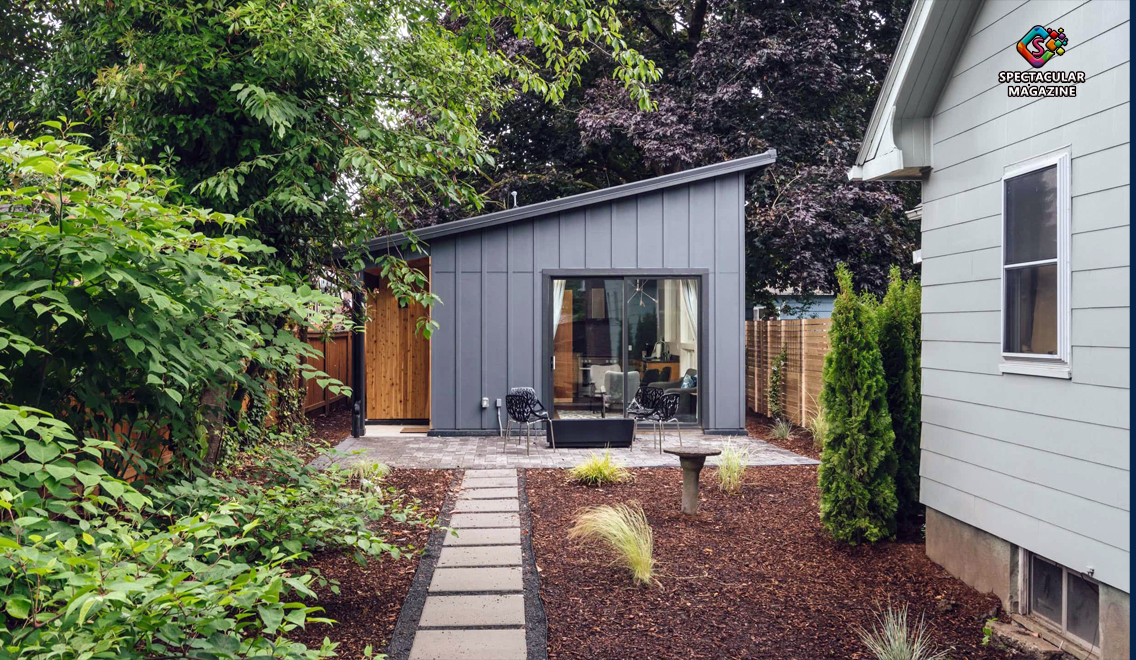
Backyard Homes Could Play a Bigger Role in Durham

One area already receiving attention is the development of accessory dwelling units (ADUs).
Sometimes called backyard cottages, garage apartments or in-law suites, ADUs are smaller residential units located on the same property as a primary home.
They can provide additional rental housing, accommodate relatives or create more flexible living arrangements.
Durham recently launched an ADU pilot program focused on increasing these housing opportunities for low-income residents.
The Bloomberg initiative could provide additional resources and expertise to help the city expand its approach.
For homeowners, ADUs may offer opportunities to create additional living space or rental units, although construction costs, financing, zoning requirements, and program eligibility remain important considerations.
Housing Director Says Durham Needs More Choices
Sarah Viñas, director of Durham’s Housing & Neighborhood Services Department, said the city must continue exploring new approaches to meet its housing needs.
“Durham’s housing challenge demands bold ideas and more choices,” Viñas said.
She explained that Bloomberg’s support would help the city expand accessory dwelling units and other creative housing strategies.
“This investment gives us the resources and expertise to move good ideas off the page and onto the ground,” Viñas said, emphasizing the importance of helping residents remain in their communities.
What’s Next for Durham?
The housing initiative will operate through the Bloomberg Cities Idea Exchange, which connects local governments with strategies and expertise to address municipal challenges.
For Durham, the next step will be translating participation into specific housing policies, programs, and development opportunities.
The announcement represents an opportunity rather than a guarantee of lower housing costs or a particular number of new homes.
Still, the city’s inclusion among 30 municipalities places Durham in a national effort to address one of the most pressing challenges facing American communities: ensuring residents have access to housing they can afford.
Residents can learn more through the City of Durham’s announcement and its existing ADU pilot program.
Feature image credit: Neil Kelly Builders