

NCCU–UNC Study Reveals Troubling Breast Cancer Disparities Among Rural, Low-Income and Black Women
This Aggressive Breast Cancer Often Doesn’t Begin With a Lump
New research reveals that rural, low-income, and Black women face significant disparities involving inflammatory breast cancer. Researchers say recognizing the symptoms and improving access to care could make a critical difference.
DURHAM, N.C. — A new study by researchers at North Carolina Central University (NCCU) and UNC-Chapel Hill’s Lineberger Comprehensive Cancer Center reveals troubling disparities involving a rare but aggressive form of breast cancer, particularly among rural, low-income, and Black women in North Carolina.
Published in Breast Cancer Research and Treatment, the study found that women living in rural and economically disadvantaged communities experience a disproportionately high burden of inflammatory breast cancer (IBC), a disease that can progress rapidly and is often difficult to recognize.
Researchers also found that Black women accounted for 63% of IBC cases examined, compared with an expected proportion of approximately 50% within the study population.
Why Inflammatory Breast Cancer Is Particularly Dangerous
Inflammatory breast cancer accounts for approximately 1% to 5% of breast cancer cases.
Unlike many other breast cancers, IBC often develops without a noticeable lump, making it more difficult to detect through routine mammography alone.
Instead, symptoms may include:
-
Redness or discoloration of the breast
-
Swelling or sudden enlargement
-
Unusual warmth
-
Thickening, dimpling, or other skin changes

Because these symptoms can resemble an infection, diagnosis may be delayed, allowing the cancer to spread before treatment begins.
“Inflammatory breast cancer moves quickly, so every day matters,” said Kevin Williams, Ph.D., NCCU professor of pharmaceutical sciences and the study’s co-senior author.
“Our findings suggest that where someone lives, and the resources available to them may be just as important to understanding this disease as its underlying biology.”
Poverty, Rural Living and Racial Disparities
Using molecular, clinical, and socioeconomic information from the Carolina Breast Cancer Study, researchers examined factors associated with inflammatory breast cancer.
Although they identified relatively few molecular differences, the findings revealed a greater burden among women living in rural communities and those experiencing poverty.
The study also found that Black women were disproportionately represented among IBC patients, although researchers say additional investigation is needed to understand the biological and social factors contributing to the disparity.
The findings suggest that improving access to primary care, timely diagnosis, and specialized cancer treatment could help address these differences.
Early Recognition Could Save Lives
Williams emphasized that many women — and even some healthcare providers — remain unfamiliar with inflammatory breast cancer.
“Too many women, and even some healthcare providers, are unfamiliar with inflammatory breast cancer,” Williams said. “Recognizing the symptoms and seeking immediate medical attention can make a critical difference.”
Researchers also identified molecular pathways involving HER2- and p53-related genes that warrant further investigation and could eventually contribute to more targeted treatments.
“Every discovery brings us closer to improving outcomes for women affected by this disease,” Williams said.
What North Carolina Women Should Know
The study reinforces the importance of recognizing unusual breast changes, even when no lump is present.
Women experiencing persistent or rapidly developing redness, swelling, warmth or skin changes should seek prompt medical evaluation.
While the findings do not establish that poverty or rural residence directly causes inflammatory breast cancer, they highlight disparities that deserve greater attention from healthcare providers, researchers, and policymakers.
The study, “Molecular and socioeconomic characteristics of inflammatory breast cancer in the Carolina Breast Cancer Study,” was supported by several organizations, including UNC Lineberger, the National Cancer Institute, the Susan G. Komen Foundation, and the Breast Cancer Research Foundation.
For women across North Carolina, the message is important: Breast cancer does not always begin with a lump, and recognizing changes early can make a critical difference.
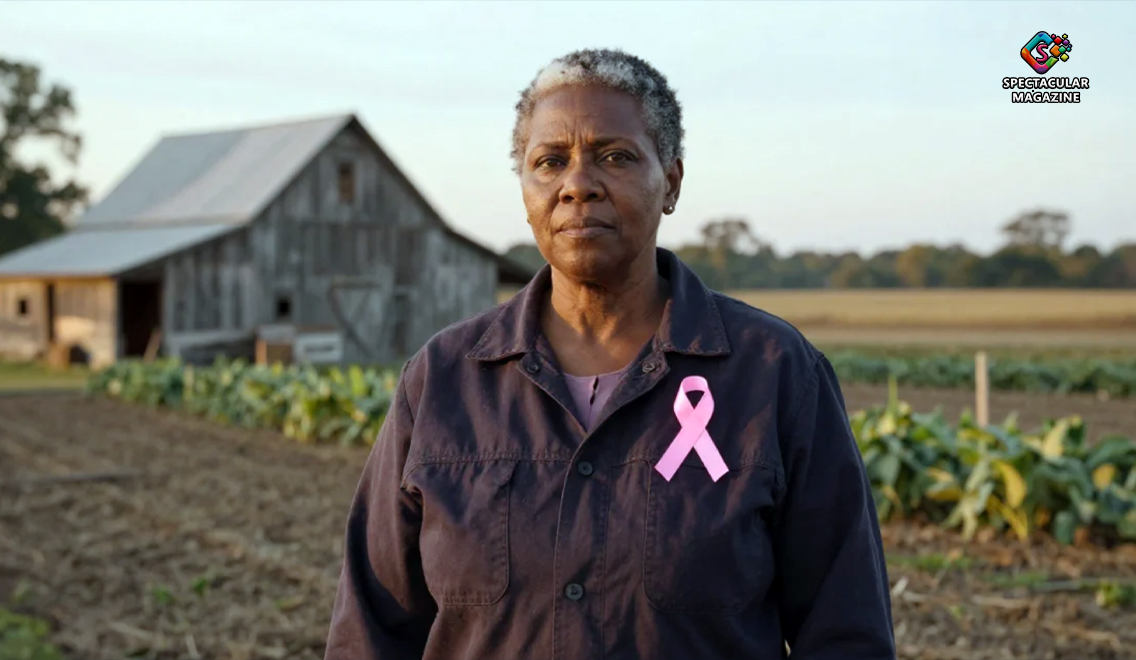
The feature image is an illustrative image, not an actual participant in the NCCU–UNC study.