

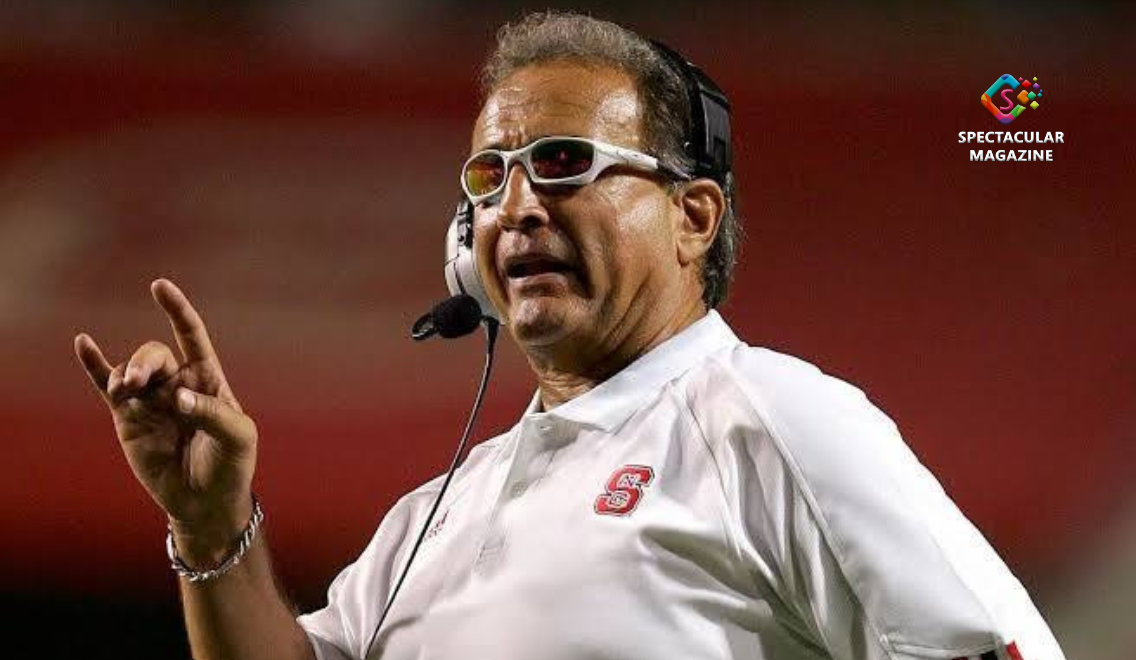
Legendary NC State Football Coach Chuck Amato Passes Away at 80
RALEIGH, N.C. — The North Carolina State University community is mourning the loss of legendary football coach Chuck Amato, who died Monday, October 19, at the age of 80 following a battle with throat cancer. A beloved figure in Wolfpack athletics, Amato leaves behind a legacy of passion, leadership and unwavering loyalty to the university he proudly called home.
Born June 26, 1946, in Easton, Pennsylvania, Amato’s connection to NC State began long before his coaching career. As a student-athlete, he played linebacker for the Wolfpack and competed in wrestling, winning two Atlantic Coast Conference championships. He also helped NC State capture a share of the 1965 ACC football championship.
After graduating, Amato returned to NC State as an assistant coach during the 1970s before building an impressive coaching résumé at Florida State University. There, he helped the Seminoles win national championships in 1993 and 1999.
However, his greatest impact came when he returned to Raleigh as NC State’s head football coach in 2000.
During his seven seasons leading the Wolfpack, Amato compiled a 49-37 record and guided the program to five bowl appearances, winning four. His crowning achievement came in 2002, when quarterback Philip Rivers led NC State to a school-record 11 victories, including a memorable Gator Bowl triumph over Notre Dame.
Beyond victories, Amato helped elevate NC State’s national reputation, developing future NFL stars, including Rivers and defensive standout Mario Williams, who became the first overall selection in the 2006 NFL Draft.
His influence extended beyond the football field through mentorship, community involvement and his commitment to developing young athletes.
Following his passing, North Carolina Governor Josh Stein remembered Amato as someone who embodied NC State’s spirit, while Duke football coach Manny Diaz credited his former mentor with shaping his coaching career.
For generations of Wolfpack fans, Chuck Amato was more than a football coach. He was a symbol of school pride, determination and the belief that NC State could compete among college football’s best.
His legacy will forever remain part of Wolfpack history.