

NC Opens First Mental Health Treatment Unit for Youth in Juvenile Detention, Addressing Critical Care Gaps
BUTNER, NC — North Carolina is taking a new approach to a longstanding problem in its juvenile justice system: young people with serious mental health conditions who remain in detention because appropriate treatment facilities cannot or will not accept them.

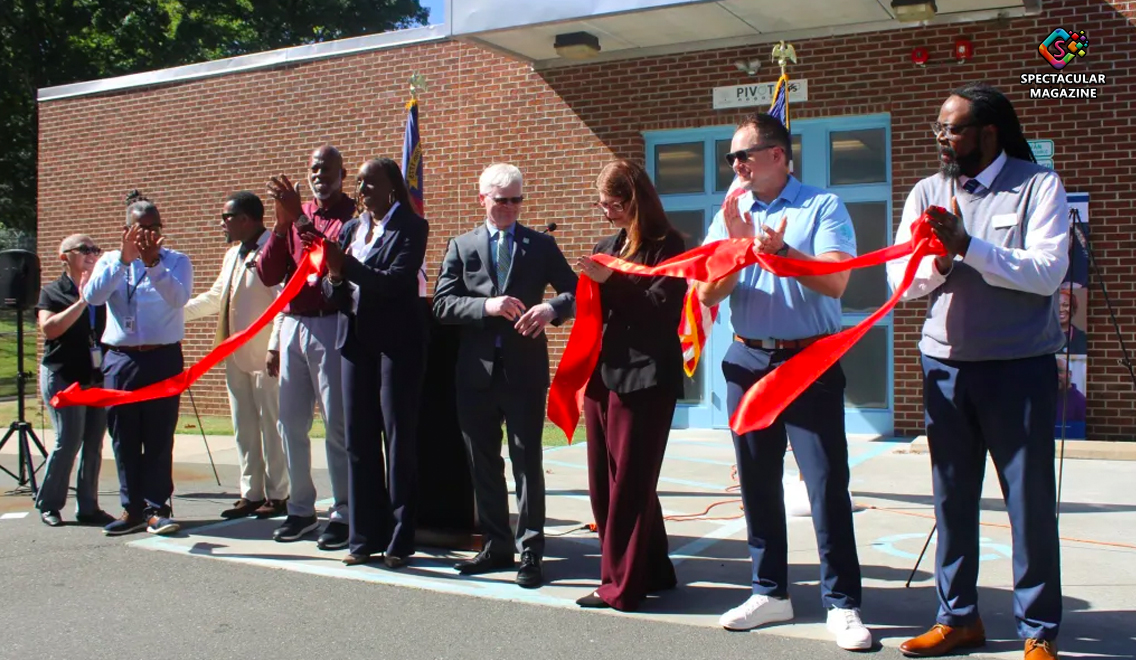
On October 12, state officials celebrated the opening of PIVOT, North Carolina’s first specialized behavioral health treatment unit inside a juvenile detention center, at the C.A. Dillon Juvenile Detention Center in Butner.
The 10-bed unit is designed to provide intensive mental health treatment, crisis stabilization, and individualized support for youth with complex behavioral health needs.
Funded through a $3.5 million, two-year pilot program by the North Carolina Department of Health and Human Services, PIVOT is expected to begin admitting young people in November.
Nearly All Youth in State Development Centers Have Mental Health Diagnoses
The need for specialized treatment is substantial.
A December 2025 survey by the North Carolina Division of Juvenile Justice and Delinquency Prevention found that 99.4% of young people in the state’s youth development centers had at least one mental health diagnosis.
On average, those young people had 4.7 separate mental health or substance use disorder diagnoses. Some had as many as 12.
Youth development centers are the juvenile justice system’s most restrictive facilities, while juvenile detention centers generally house young people awaiting court proceedings or other placements.
Mental health concerns are also widespread in detention centers. Of 2,491 young people admitted between November 2024 and October 2025, 210 — approximately 8.4% — were placed on suicide watch following an assessment by a licensed mental health clinician.
Young People Can Spend Months Waiting for Treatment
One of the most significant problems facing North Carolina’s juvenile justice system is the shortage of facilities willing and able to treat young people with complex behavioral health needs.
Some youth are recommended for psychiatric residential treatment but remain in detention for extended periods because providers decline to accept them.
Their behavioral histories may include aggression, running away or other challenges that make placement difficult.
According to state juvenile justice officials, approximately 30% of the detention population on a typical day is awaiting another placement, frequently involving mental health treatment.
A state review of 425 detention admissions from 2021 through 2025 found that youth awaiting behavioral health placement spent nearly three times longer in detention than the average 25-day stay for the sample.
Only six in 10 young people in that review ultimately received their recommended level of care.
William Lassiter, North Carolina’s deputy secretary overseeing juvenile justice, told North Carolina Health News that many of these young people have already experienced failures across multiple support systems, including schools, social services and mental health care.
How the New PIVOT Treatment Unit Will Work
PIVOT will accept referrals from juvenile detention centers and youth development centers across North Carolina.
The program is intended for young people experiencing serious behavioral health challenges, including repeated suicide watches, psychosis, and heightened aggression.

The state has partnered with New Hope Treatment Centers, a provider experienced in treating adolescents with complex psychiatric and behavioral needs.
Treatment will focus on crisis stabilization, psychiatric evaluation, medication management, therapy, and preparing youth for an appropriate next placement.
Officials anticipate that most young people will remain in the unit for approximately 14 to 30 days, although individual treatment needs may require different lengths of stay.
The goal is not simply to provide another place to confine youth, but to stabilize their conditions and help them move toward appropriate treatment, community placement or continued rehabilitation.
Matt Simon, chief operations officer of New Hope Treatment Centers, emphasized the importance of combining treatment with the security some youth require.
“What we’re hoping is this proves that if we can find ways to give these kids both, I think we’ll get better outcomes,” Simon said.
Former Juvenile Detainee Returns With a Message of Hope

One of the most powerful moments of PIVOT’s grand opening came from keynote speaker Arkevious Armstrong, 45, who spent four years at C.A. Dillon Juvenile Detention Center as a teenager.
Armstrong entered the facility at age 13 and left at 17. His struggles continued after his release, eventually leading to additional incarceration in state and federal prisons.
He later changed the direction of his life, becoming an author, public speaker and nonprofit founder.
Returning to the facility nearly three decades later, Armstrong reflected on how access to mental health support might have changed his experience.
“If a place like this was in place when I was there, I would have probably had a different outcome upon my release,” he said.
Posters featuring photographs of Armstrong’s former mugshots reinforced his message that young people involved in the justice system should not be defined solely by their past.
One poster declared: “Your investment in a young person is never wasted.”
State Hopes to Expand Treatment Beyond 10 Beds
Although PIVOT is opening with 10 beds, the renovated space can accommodate 20.
State officials say the pilot funding currently supports only half that capacity.
Lassiter plans to seek additional legislative funding in 2027 to expand the program.

During the two-year pilot, officials will evaluate whether PIVOT reduces suicide watches, emergency hospitalizations, assaults on staff, and delays in obtaining appropriate mental health placements.
They will also examine whether the unit improves treatment planning and helps young people transition to other services.
If successful, the state could establish similar behavioral health units at additional juvenile justice facilities.
For families whose children have struggled to obtain psychiatric treatment while in custody, PIVOT represents a potentially important change.
The program’s long-term impact will depend on whether it can deliver timely, effective treatment and help young people move beyond detention toward healthier, more stable futures.