

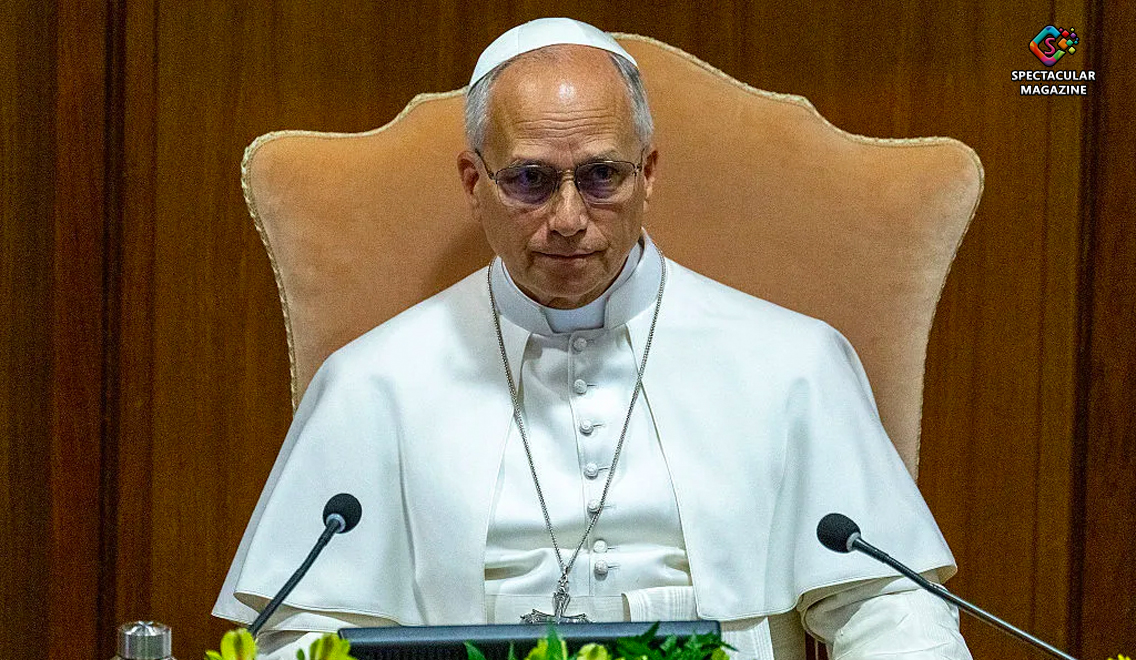
Pope Leo XIV Apologizes for Church’s Role in Slavery in Powerful New Encyclical
In a historic and deeply emotional statement, Pope Leo XIV has formally apologized for the Catholic Church’s past involvement in slavery, calling it a profound moral failure and urging the world not to repeat the mistakes of history. The apology comes in his newly released encyclical, Magnifica Humanitas, where the pope directly confronts the Church’s “complicity and blindness” surrounding slavery while also warning about the unchecked dangers of artificial intelligence and emerging technologies.
Pope Leo XIV Issues Historic Apology for Slavery

Dated May 15, Pope Leo XIV’s encyclical opens by reflecting on Pope Leo XIII’s 1891 encyclical, Rerum Novarum (Of New Things), written 135 years ago. The document addresses human dignity, social justice, technology, and moral responsibility in modern society.
But one of the most striking sections centers on slavery and the Catholic Church’s historical role in systems of oppression.
“It is impossible not to feel deep sorrow when contemplating the immense suffering and humiliation endured by so many in stark contrast to their immeasurable dignity as persons infinitely loved by the Lord. For this, in the name of the Church, I sincerely ask for pardon,” Pope Leo XIV wrote.
The statement marks one of the clearest acknowledgments yet from a pope regarding the Church’s past complicity in slavery.
Pope Warns Against Repeating the Past
The pope said acknowledging history is not enough unless it leads to action and accountability in the present.
“This is why the memory of past complicity and blindness in the face of the injustice of slavery becomes a call to vigilance,” he wrote.
Leo XIV continued by urging faith leaders, governments, and communities to actively confront modern forms of human exploitation, including trafficking.
“If we want to avoid the need to ask for pardon again in the future for having failed to respect the treasure of human dignity that is required by our faith, it falls to us today to denounce, clearly and firmly, trafficking in its many forms.”
The pope also called for:
- Prevention efforts
- Protection for vulnerable populations
- Liberation initiatives
- Rehabilitation support for survivors
Encyclical Defends Church Involvement in Social Issues
Throughout the document, Pope Leo XIV pushes back against critics who argue the Church should avoid social or political matters and focus only on spiritual teachings.
Referencing Pope Leo XIII, he wrote:
“The proclamation of the Gospel cannot overlook the concrete lives of people.”
The encyclical frames issues like slavery, poverty, exploitation, and technology as deeply connected to moral and spiritual responsibility.
Pope Raises Concerns About Artificial Intelligence
Beyond the apology for slavery, the encyclical also addresses the rapid rise of artificial intelligence.
While Leo XIV stops short of condemning AI outright, he warns that emerging technologies must be carefully regulated to protect human dignity and justice.
“It now falls to us to face the challenges of our time with clarity of thought and responsibility,” he wrote.
The pope added that governments and institutions must create “adequate regulatory tools” to prevent technological abuse and the concentration of unchecked power.
Vatican Partnering With AI Company Anthropic
The Vatican also confirmed that Pope Leo XIV is partnering with Anthropic, one of the leading artificial intelligence companies, to help study the long-term impact of AI development.
According to reports, the pope is spearheading a Vatican study group focused on:
- Ethical AI development
- Human dignity protections
- Technological accountability
- Societal impacts of automation and AI systems
The initiative reflects the Vatican’s growing interest in shaping global conversations around ethics and technology.
A Defining Moment for the Catholic Church
The apology is already drawing widespread attention globally, particularly among historians, theologians, and descendants of enslaved people who have long called for stronger institutional acknowledgment of the Church’s historical role in slavery and colonization.
For many observers, the encyclical represents a significant moment in the Catholic Church’s ongoing effort to confront painful chapters of its history while redefining its moral voice on modern global issues.
Conclusion
With Magnifica Humanitas, Pope Leo XIV is attempting to bridge history, faith, and the future — acknowledging the Church’s failures on slavery while warning the world about new forms of dehumanization in the digital age. Whether addressing centuries-old injustices or the emerging ethical challenges of artificial intelligence, the pope’s message is clear: protecting human dignity must remain at the center of both faith and society.
Read Pope Leo XIV’s encyclical in full here.
The encyclical can also be viewed below, courtesy of The Vatican News.