

North Carolina’s S-Line Rail Project Gets $550 Million Boost to Connect Raleigh and Richmond
RALEIGH, N.C. — North Carolina’s ambitious S-Line rail project is moving forward with an additional $550 million in federal-state partnership funding, bringing the state closer to establishing faster passenger rail service between Raleigh and Richmond, Virginia.
The project aims to transform regional transportation by restoring a historic rail corridor, reducing travel times, and improving connections between communities across North Carolina and Virginia.

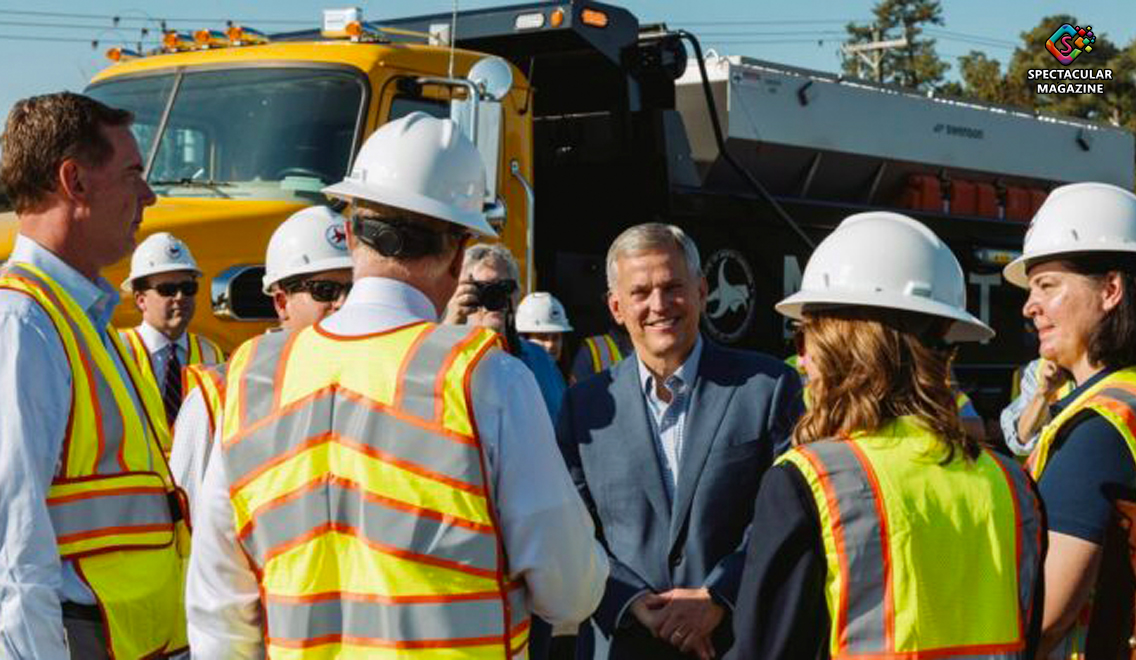
Governor Josh Stein joined transportation officials to announce the funding and highlight construction progress along the route.
“North Carolinians need good transportation options that get them where they need to be when they need to get there,” Stein said, emphasizing the importance of expanding transportation choices in a growing state.
Faster Rail Service Between Raleigh and Richmond
The Raleigh-to-Richmond S-Line project involves restoring and improving approximately 162 miles of rail corridor to accommodate passenger trains traveling at speeds of up to 110 mph.
According to the North Carolina Department of Transportation (NCDOT), the improvements could reduce travel time between the two cities by more than an hour.
The project is also designed to:
- Expand passenger rail options throughout North Carolina and the Southeast.
- Reduce congestion on heavily traveled freight rail lines.
- Improve safety by replacing railroad crossings with bridges and overpasses.
- Support economic development in communities along the corridor.
- Create opportunities for pedestrian and bicycle connections.
NCDOT Secretary Daniel Johnson said the investment will improve regional rail connections while supporting freight operations and transportation safety.
Construction Underway in Wake County
Construction is progressing on the Raleigh-to-Wake Forest segment, including improvements at several railroad crossings.
At Durant Road in Raleigh, crews are replacing an existing railroad crossing with a vehicle overpass. Bridge construction is expected to be completed in November 2026, with remaining restoration work continuing through July 2028.
Additional work includes:
New Hope Church Road: Construction began in February 2026 on a $22.7 million bridge project that will replace an existing railroad crossing. The project is expected to take approximately three years.
Millbrook Road and Rogers Road: Planning, land acquisition, and related activities are advancing for additional grade-separation improvements in Raleigh and Wake Forest.
Residents near construction areas may encounter survey crews, utility markings, temporary road closures, and detours as work progresses.
Billions Invested in Rail Improvements
The latest $550 million funding announcement builds on earlier investments, including a $1.09 billion federal grant awarded in 2023 for the initial Raleigh-to-Wake Forest portion of the S-Line.
Previous funding has also supported property acquisition, engineering, station planning, and safety improvements.
The S-Line dates to the late 19th century, but portions of the original rail infrastructure were abandoned and removed beginning in the 1980s. Restoring the corridor is part of a broader effort to develop improved passenger rail service throughout the Southeast.
What’s Next for the S-Line?
NCDOT is coordinating with the Virginia Passenger Rail Authority and other transportation partners to advance the Raleigh-to-Richmond connection.
Although construction is underway, NCDOT has not announced a final completion date or total project cost for the entire corridor.
For project updates, construction notices, and information about potential property impacts, visit the NCDOT S-Line project website.