

Charlotte Loses CIAA Tournament Bid as Mayor and City Manager Fail to Prioritize Event


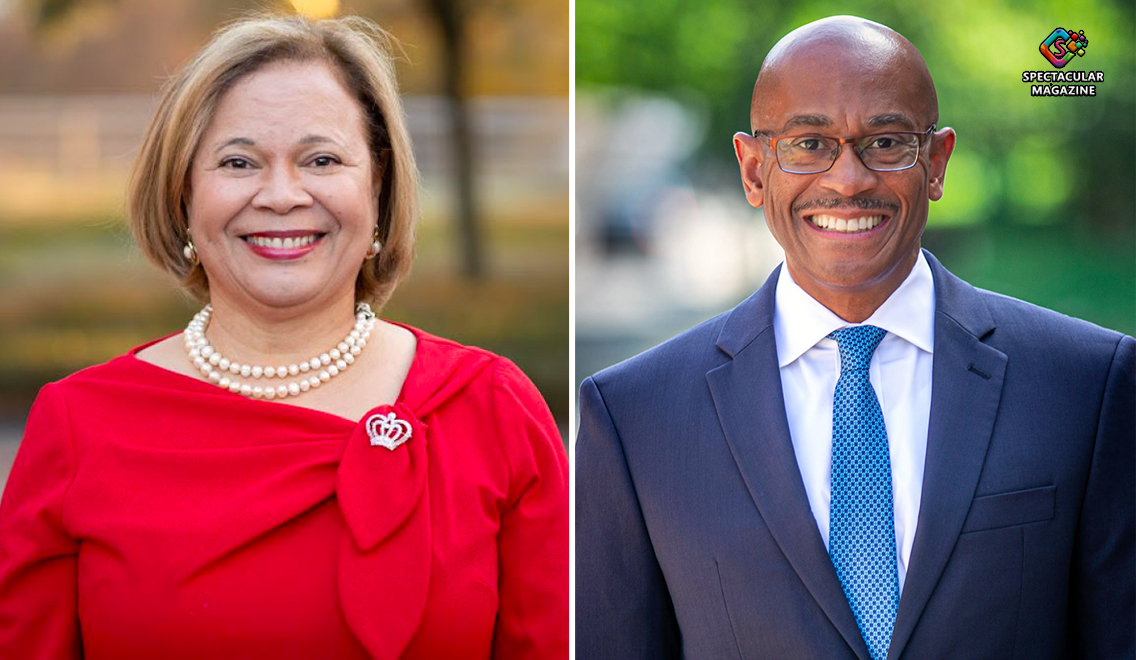
CHARLOTTE, NC – Charlotte’s bid to bring back the CIAA Basketball Tournament has fallen flat — and many are pointing to a key reason why: Mayor Vi Lyles and City Manager Marcus Jones failed to prioritize the event.
After 14 years of hosting the culturally significant and economically powerful CIAA Tournament, Charlotte lost its bid for the 2027–2029 cycle. While city staff and tourism officials submitted a formal proposal, a lack of full political support ultimately left the Queen City on the sidelines.
The CIAA Basketball Tournament has long been a marquee event for Charlotte’s Black community, drawing alumni, businesses, and families from across the country. Now, that tradition — and the millions in economic impact that come with it — will happen elsewhere.
Millions in Economic Impact Now Lost
From 2006 to 2020, the CIAA Tournament generated $656 million for Charlotte, with an annual value of approximately $43 million by 2020.
More than a basketball tournament, CIAA week was a celebration of Black excellence, culture, and community — filling hotels, restaurants, shops, and venues throughout the city.
“We have been informed by the CIAA that Charlotte will not be considered as a host city for the upcoming tournament cycle,” the city’s official statement read.
Charlotte’s loss is being felt deeply, especially given that the city had hosted the tournament successfully for more than a decade before it moved to Baltimore in 2022.
City Leaders Failed to Step Up
In the aftermath of the loss, it became clear that the lack of proactive leadership from Mayor Vi Lyles and City Manager Marcus Jones was a key factor in derailing the CIAA Tournament Charlotte 2027 bid.
Scheduling conflicts were cited — but many say they should have been avoided if the Mayor’s office and City Manager had prioritized the bid early.
“When the CIAA requested 2027 dates in early 2025, our primary venues were already committed due to previously scheduled programming — a reflection of Charlotte’s growing momentum as a premier host city,” said the Charlotte Regional Visitors Authority (CRVA).
However, City Councilman Malcolm Graham openly criticized the city’s top leadership for failing to recognize the tournament’s unique value.
“I wish we were all in. I wish we got better support, quite frankly, from the office of Mayor Vi Lyles and City Manager Marcus Jones regarding the CIAA Tournament Charlotte 2027 bid,” Graham said. “The CIAA is different than any other convention that we’re trying to attract to the city. It is culturally unique and requires a lot more hands-on involvement from political leaders.”
Other Cities Competing to Host CIAA
While Charlotte loses the CIAA Tournament bid, several other cities are eager to take its place.
CIAA Commissioner Jacqie McWilliams-Parker confirmed that Baltimore, Philadelphia, and Pittsburgh are among the cities still in the running to host the CIAA Basketball Tournament during the 2027–2029 cycle.
“We’ve got interest from cities that want to be a part of the process of bidding and winning the tournament in their cities. We’ve heard Charlotte. Obviously, Baltimore has submitted their intent. We’ve heard Philadelphia. We’ve heard from Pittsburgh as well,” McWilliams-Parker told HBCU Legends.
Safety Concerns Unaddressed
Another factor in Charlotte’s failed bid: lingering safety concerns.
During previous CIAA weeks in Charlotte, numerous unofficial parties and unsanctioned gatherings required additional security measures. Many observers feel that the city did not proactively address those issues in the new bid — another example of the lack of leadership commitment.
Conclusion: A Leadership Failure with High Costs
Charlotte’s loss of the CIAA Tournament is not simply about scheduling. It is a leadership failure at the highest level.
While other cities fight to host this prestigious cultural and economic event, Mayor Vi Lyles and City Manager Marcus Jones failed to prioritize the CIAA Tournament Charlotte 2027 bid — a move that will cost the city millions and send a message about the value it places on Black culture and community.
The Queen City had a chance to bring back one of its most beloved events — and blew it.