

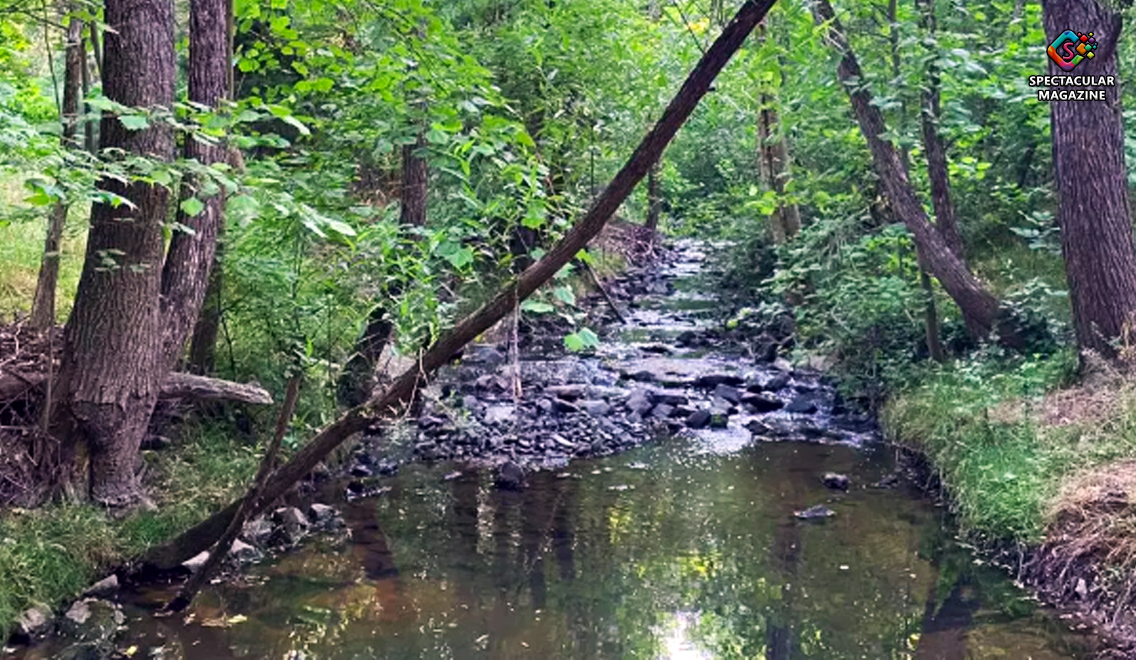
Creek Near NCCU Raises Water Concerns in Durham’s Black Community
DURHAM, NC – Many Durham residents pass it every day without knowing its name—but a creek running through the heart of a historically Black community is now drawing attention after researchers uncovered a troubling rise in chemical contamination. What flows quietly behind neighborhoods and near campus may be more important—and more impacted—than most people realize.
Third Fork Creek: A Waterway Many Don’t Know by Name

Third Fork Creek runs near North Carolina Central University (NCCU) and winds through several predominantly Black neighborhoods in Durham, yet many residents are unfamiliar with its name or significance.
The creek stretches through key corridors, including:
- East Lawson Street
- South Roxboro Street
- Hope Valley Road
It eventually feeds into Jordan Lake, a major drinking water source for the region.
New Study Finds Surge in Chemical Activity
A new study by NCCU and RTI International found more than 1,300 chemical features in the creek—an unusually high number for a waterway of its size.
Researchers identified contaminants linked to everyday products, including:
- Medications
- Pesticides
- PFAS (forever chemicals)
- Cleaning products and plastics
Runoff From Daily Life Driving Pollution

Experts say the issue isn’t coming from one source—it’s the result of accumulated runoff from daily life.
Increased rainfall in 2022 pushed more pollutants into the creek from:
- Homes and neighborhoods
- Local businesses
- Construction activity
“Non-targeted analysis helps us spot emerging contaminants and better understand what’s in our waterways,” said Dr. Imari Walker-Franklin of RTI International.
Longstanding Environmental Concerns
This isn’t the first warning sign.
A 2014 U.S. Geological Survey study already showed poor water quality in Third Fork Creek. The latest findings build on that concern, revealing:
- 30 newly identified chemical compounds not previously reported
Researchers also used a trash trap system to capture and study pollutants directly from the water.
Environmental Impact Hits Close to Home
Because the creek flows through residential areas and near NCCU, the findings raise important questions about:
- Environmental awareness in local communities
- Long-term public health impacts
- Equity in environmental protection
Despite its proximity, many residents may not realize the creek’s connection to regional drinking water systems.
City Taking Steps to Improve Conditions
The City of Durham has begun addressing conditions along Third Fork Creek, particularly near Lakewood Avenue and the American Tobacco Trail.
Planned improvements include:
- Repairing eroded stream banks
- Adding rocks and logs to slow water flow
- Planting vegetation to stabilize soil and support wildlife
“This project has dual benefits,” said project manager Raven McLaurin.
“It protects public infrastructure while improving water quality.”
Construction is expected to continue through December.
Conclusion
For a creek many people don’t know by name, Third Fork Creek plays a critical role in Durham’s environmental and public health landscape. As new data brings its condition into sharper focus, the question becomes not just how to clean it up—but how to ensure the communities surrounding it are informed, protected, and prioritized.