

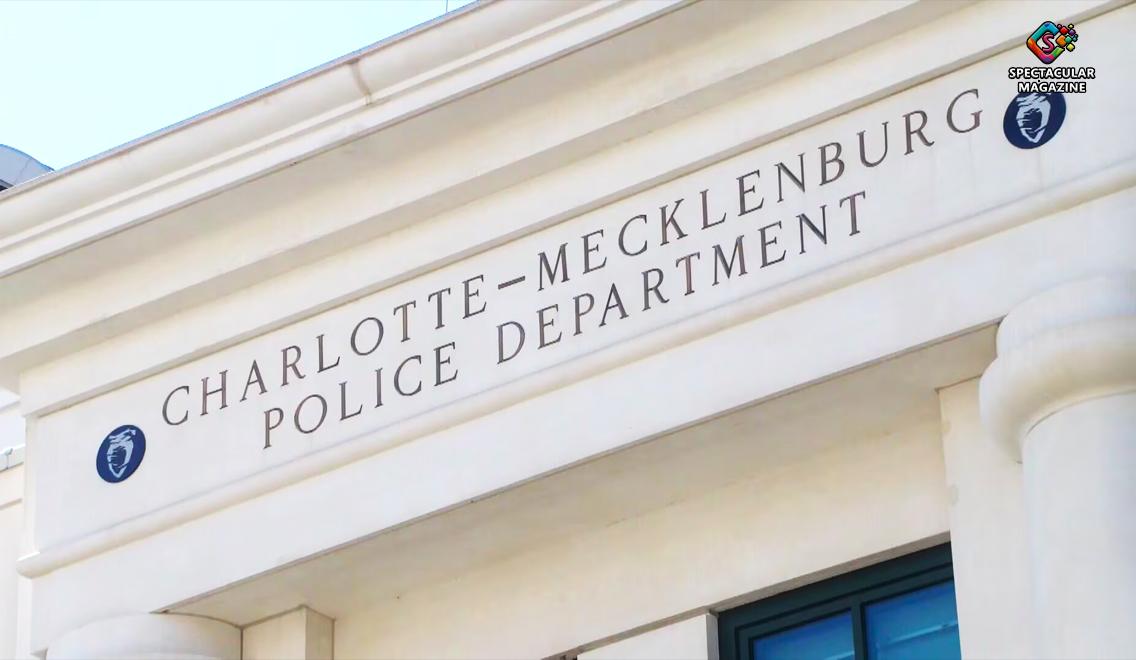
Charlotte Police Officers Allegedly Competed to Stop Black Drivers — Now Three Have Resigned
CHARLOTTE, N.C. — An investigation into alleged misconduct by a Charlotte-Mecklenburg police officer has uncovered something potentially far more troubling: a private group chat in which officers allegedly exchanged racist messages, discussed shooting Black residents and competed over who could stop the most Black motorists.
The allegations have triggered an internal investigation within the Charlotte-Mecklenburg Police Department. On Thursday, October 15, Police Chief Estella Patterson confirmed that three officers had resigned and three others were facing termination.
The allegations have raised serious questions about racial bias, public trust, and whether officers’ attitudes toward Black residents influenced their actions while on duty.
How an Unrelated Police Investigation Exposed the Messages
According to WBTV, the messages surfaced while state investigators were examining alleged criminal misconduct involving CMPD Officer Seth Elliott.
Elliott was accused of improperly using the Flock Safety surveillance system to provide information to a suspect involved in a drug investigation as a favor to a college friend.
During that investigation, authorities reportedly downloaded information from Elliott’s cellphone.
Investigators discovered a private message thread involving six CMPD officers that allegedly contained racist language and discussions about interactions with Black residents.
The discovery prompted a separate internal investigation.
Officers Allegedly Used Racial Slurs and Discussed Shooting Black Residents
The reported contents of the group chat have drawn widespread concern.
According to WCNC Charlotte, the officers allegedly used the N-word, made derogatory comments about Black residents, and discussed firing weapons at them.
One particularly disturbing allegation involves officers reportedly competing to see who could conduct the most traffic stops involving Black drivers.
In another exchange, one officer reportedly acknowledged the nature of the conversation, writing that the messages sounded like a “klan rally.”
The allegations have intensified concerns about racial profiling and the potential consequences when officers entrusted with enforcing the law express racial hostility toward the people they serve.
However, the reported messages alone do not establish whether any specific traffic stops were unlawful or whether the officers acted on the statements.
Three Officers Resign, Three Others Face Termination
Charlotte-Mecklenburg Police Chief Estella Patterson confirmed Thursday that three officers involved in the investigation have resigned, while three others remain recommended for termination.
Patterson expressed disgust, anger, and frustration over the allegations. As a Black woman who began her career with CMPD, she said the controversy was especially painful and disheartening.
The remaining officers’ cases are subject to the department’s disciplinary and civil service procedures.
CMPD Says Racist Conduct Will Not Be Tolerated
In a statement provided to The Charlotte Observer, CMPD emphasized its commitment to professional conduct and maintaining community trust.
The department said it “will not tolerate any behavior that contradicts our core values or jeopardizes the trust we have built with the community we serve.”
CMPD also emphasized that residents remain central to its mission and pointed to its longstanding efforts to build relationships with the community.
The department did not publicly confirm every detail of the alleged messages described in local news reports.
Charlotte NAACP Raises Concerns About Racism in Policing
The allegations have drawn criticism from local civil rights leaders.
Rev. Corine Mack, president of the Charlotte-Mecklenburg NAACP, expressed alarm about the possibility of officers harboring racist attitudes while exercising police authority.
“I don’t want to paint all of law enforcement with the same brush, but clearly, I’m concerned that you have bigots in uniform with state authority,” Mack told WSOC-TV.
“And unfortunately, they can cost a person their life.”
Her comments underscore concerns about the potentially serious consequences of racial bias in policing, particularly during traffic stops and other encounters involving officers’ authority to detain individuals or use force.
Questions Remain About Traffic Stops and Accountability
Beyond the disciplinary proceedings, the allegations raise questions about whether the officers’ reported statements were reflected in their professional conduct.
The available reports do not establish whether CMPD is reviewing previous traffic stops, arrests, or use-of-force incidents involving the officers.
They also do not establish whether any criminal charges will result from the group chat investigation.
The outcome could have implications beyond the officers involved, particularly for residents seeking assurance that law enforcement decisions are based on conduct and evidence rather than race.
The case highlights the importance of accountability and transparency in maintaining public confidence in policing.